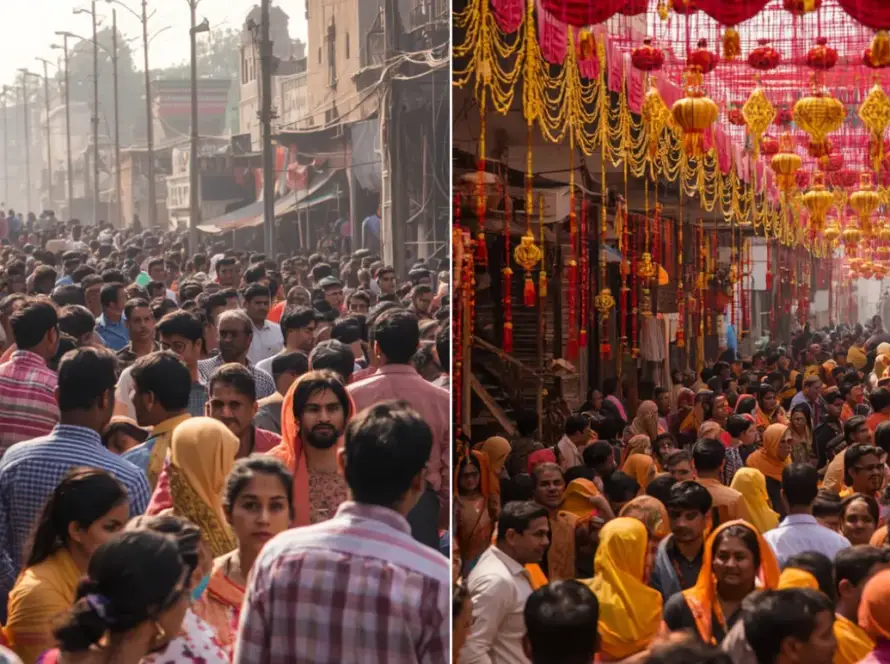
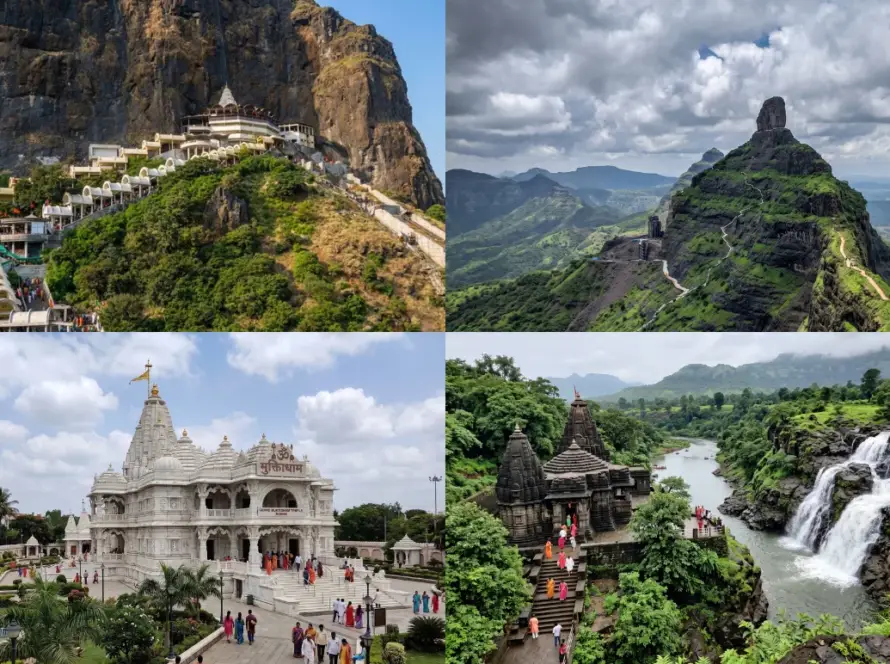
Held once every 12 years, the Kumbh Mela in Nashik is soon going to unfold with a lot of pomp and show. This spiritual gathering is deeply connected with the holy river Godavari and the Trimbakeshwar Jyotirlinga. One can witness millions of pilgrims, saints, Naga Sadhus, and international tourists participating in the bathing rituals during the event. It is believed that performing the Shahi Snan cleanses sins and helps in spiritual liberation.
If you’re somebody planning to visit Nashik Kumbh Mela to experience the spiritual energy here, we have curated a detailed Nashik Kumbh Mela 2027 itinerary that covers the most important experiences over three days. This cultural trip also includes taking the holy dip, witnessing peshwai processions, exploring Panchvati temples, sacred ghats, historical caves, and famous vineyards, seeking blessings at Trimbakeshwar Temple, and more. So, without further ado, let’s explore the most ideal 3 day Nashik Kumbh Mela itinerary for first-time pilgrims and tourists.

Key Shahi Snan Dates You Must Know — Amrit Snan, Shahi Snan and Parva Snan Schedule
While the official schedule for Nashik Kumbh Mela 2027 is yet to be released by Maharashtra authorities, key Shahi Snan dates are out. So, visitors should understand the significance of the major bathing days, as the majority of pilgrims plan their trip around them. For the 2027 edition, the confirmed Shahi Snan dates are as follows:
- August 2, 2027 — First Shahi Snan (Ashadh Somvati Amavasya)
- August 31, 2027 — Main Shahi Snan (Shravan Amavasya)
- September 11, 2027 — Third Shahi Snan for Vaishnava Akhada
Owing to the overcrowding during Shahi Snan, hotel prices increase significantly, roads get closed for better crowd management, and transportation services operate under special schedules. So, if you wish to visit Kumbh Mela without the most intense crowds, it is recommended to arrive 2–3 days before a major Shahi Snan date and stay through the event.
| Event | Importance | Crowd Level |
| Amrit Snan | Most auspicious bathing day | Extremely High |
| Shahi Snan | Royal bath of Akharas and Naga Sadhus | Extremely High |
| Parva Snan | Sacred bathing days based on planetary alignments | High |
| Purnima Snan | Full moon bathing ritual | Moderate to High |
| Amavasya Snan | New moon holy bath | Very High |
How to Reach Nashik for Kumbh Mela 2027
Nashik is well-connected by train, road, and air from all major Indian cities. Nashik Road Railway Station (NK) is the nearest railhead, approximately 8 km from the city centre. By road, Mumbai is around 165 km away (3–4 hours), Pune is 210 km (3.5–5 hours), and Shirdi is just 90 km (1.5–2 hours). The nearest domestic airport is Ozar Airport, Nashik; Mumbai’s Chhatrapati Shivaji Maharaj International Airport is the closest international option.
With 120–200 million visitors expected, booking transport well in advance is essential — especially for travel around the three main Shahi Snan dates.
Important: Avoid taking private cars near the ghats on peak Shahi Snan days, as it will significantly increase waiting times. The Nashik Police has announced a strict outer parking and shuttle transit system for Kumbh 2027 — read the Traffic section below before driving.
👉 [Read our complete guide on How to Reach Nashik for Kumbh Mela 2027 →]
3-Day Nashik Kumbh Mela Itinerary for 2027
Day 1: Arrival, Godavari Aarti at Ramkund and Panchvati
1. 8:00 AM – Arrive in Nashik
On Day 1, arrive in Nashik early in the morning and check in to your hotel. Most visitors arrive via Nashik Road Railway Station, Mumbai Airport, and Pune Airport. So, you should choose accommodation near Panchvati, Ramkund, or Nashik City Centre to get easier access to the main Kumbh zones.
2. 10:00 AM – Visit Ramkund
Ramkund, popularly known as the Spiritual Heart of Nashik, is the most important ghat in Nashik. It holds great significance and serves as the center of most of the Kumbh Mela activities. According to Hindu belief, Lord Rama used to take a bath here during his exile.
During Kumbh Mela, thousands of pilgrims gather here daily to perform rituals, offer prayers, and take holy dips. You can also observe traditional rituals, offer prayers at the ghats, and experience the spiritual atmosphere of Ramkund.
3. 11:30 AM – Explore the Ganga Godavari Temple
Next, you can visit the Ganga Godavari Temple, which is located near Ramkund. This temple symbolizes the source of the Godavari River in Nashik and becomes especially vibrant during Kumbh Mela.
4. 12:30 PM – Lunch
After exploration, you can enjoy your lunch at a nearby traditional Maharashtrian restaurant. The popular dishes include Misal Pav, Sabudana Khichdi, Bharli Vangi, Puran Poli and Kothimbir Vadi.
5. 2:00 PM – Panchvati Heritage Walk
Panchvati is one of the most sacred areas associated with the Ramayana. You can spend some time walking and visiting the famous temples surrounding this area. These temples include Kalaram Temple, Kapaleshwar Temple, Sundarnarayan Temple, and Ahilya Ram Temple.
6. 5:30 PM – Explore Panchvati Market
After visiting the temples, you can explore the Panchvati Market and shop for Rudraksha malas, religious books, brass idols, local handicrafts, and traditional sweets.
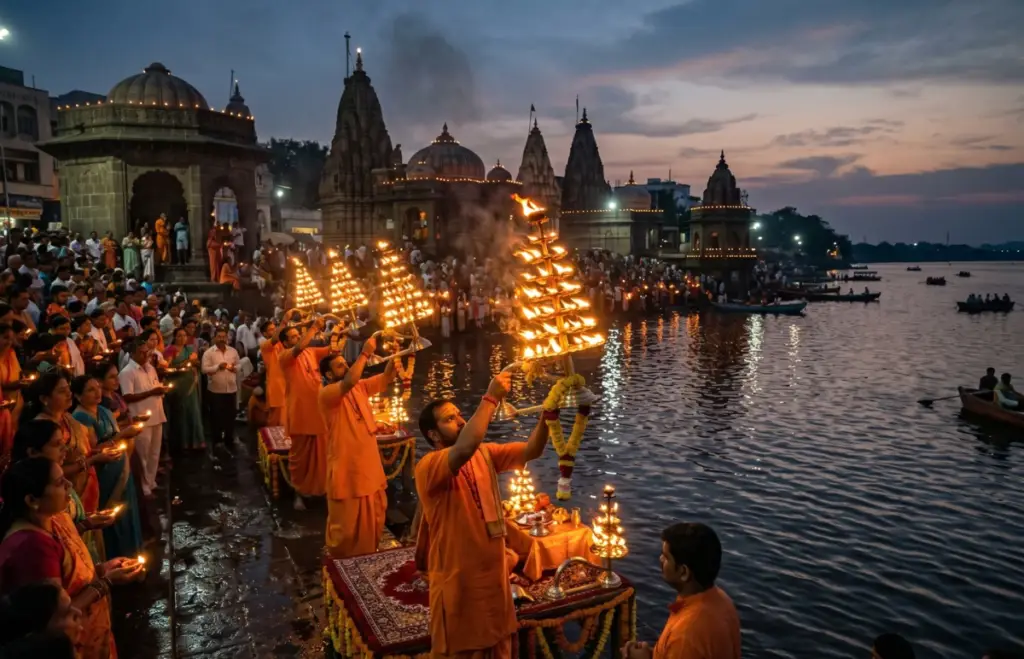
7. 6:45 PM – Witness the Godavari Aarti at Ramkund
After sunset, many priests gather along the ghats to perform the holy Godavari Aarti ceremony. Here, you will witness hundreds of oil lamps floating in the river, devotional chants echoing in the air, the sound of temple bells, and many reflections across the Godavari River. For many visitors, the Godavari Aarti becomes the most memorable experience of the trip.
8. 8:00 PM – Dinner
Enjoy your dinner and sleep early because Day 2 begins before sunrise.
Day 2: Amrit Snan Holy Dip, Akhara Procession and Sita Gufa
1. 3:30 AM – Wake Up and Reach Ramkund
On Shahi Snan days, pilgrims start arriving before dawn, which leads to overcrowding. Authorities often establish security checkpoints, so allow yourself some extra travel time.
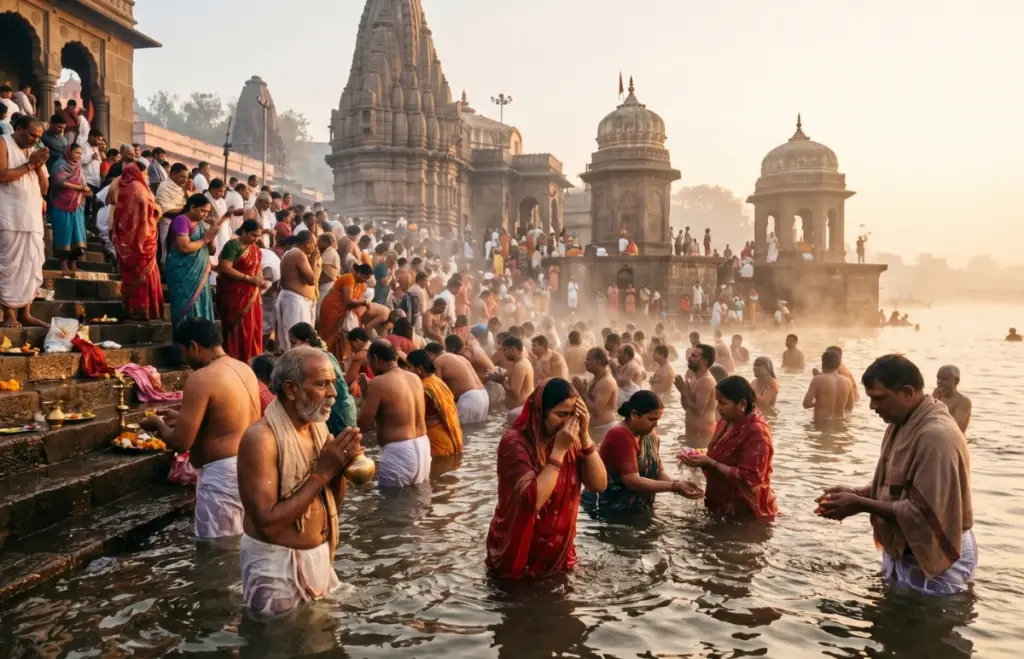
2. 4:30 AM – Participate in the Amrit Snan
Now it’s time for the main highlight of your entire 3 day Nashik Kumbh Mela itinerary. It is believed that bathing in the Godavari River during Kumbh, especially on Shahi Snan dates, helps purify the soul and remove past karmic burdens. So, for participating in the Amrit Snan, you must carry waterproof bags, wear simple clothing, follow designated bathing zones, and stay hydrated.
3. 6:00 AM – Watch the Shahi Snan Procession
The Akhara processions are among the most spectacular sights and the focal point in the Nashik Kumbh mela schedule for tourists. Here, you’ll witness Naga Sadhus covered in ash walking with decorated elephants and horses and religious banners. The sound of traditional drums and chanting saints fills the air.
4. 8:00 AM – Breakfast Break
For breakfast, you can choose a nearby restaurant or opt for langar.
5. 9:30 AM – Visit Sita Gufa
According to the Ramayana, Sita Gufa is the cave where Sita stayed during Lord Rama’s exile. Devotees walk through narrow passageways to seek blessings of Lord Rama, Lakshman, and Sita.
6. 11:00 AM – Explore Tapovan
Tapovan is a peaceful area associated with important events from the Ramayana. Visiting here feels like a break from Kumbh crowds.
7. 1:00 PM – Lunch and Rest
Take a midday break as temperatures increase and enjoy your lunch. Head to your hotel and take a nap.
8. 4:00 PM – Visit Akhara Camps
In the evening, you can visit Akhara camps and learn about Hindu monastic traditions, yoga, meditation, ancient scriptures, and spiritual philosophy.
9. 7:00 PM – Evening Spiritual Programs
In the late hours, you can attend Bhajan sessions, Ganga Aarti, religious discourses, and cultural performances.
Day 3: Trimbakeshwar Temple, Pandavleni Caves and Sula Vineyards Day Trip
1. 5:30 AM – Depart for Trimbakeshwar
Trimbakeshwar is approximately 30 km away from Nashik, and it takes 45–60 minutes to reach there. So, if you wish to avoid traffic, consider leaving early.
2. 7:00 AM – Darshan at Trimbakeshwar Temple
Trimbakeshwar is one of India’s twelve Jyotirlingas and boasts the most magnificent ancient stone architecture. Upon reaching there, you can seek blessings at the sacred Kushavarta Kund and Jyotirlinga shrine. You can also participate in the spiritual rituals if you have time.
3. 10:30 AM – Breakfast Near Trimbakeshwar
Before returning toward Nashik, you can enjoy local Maharashtrian snacks near Trimbakeshwar.
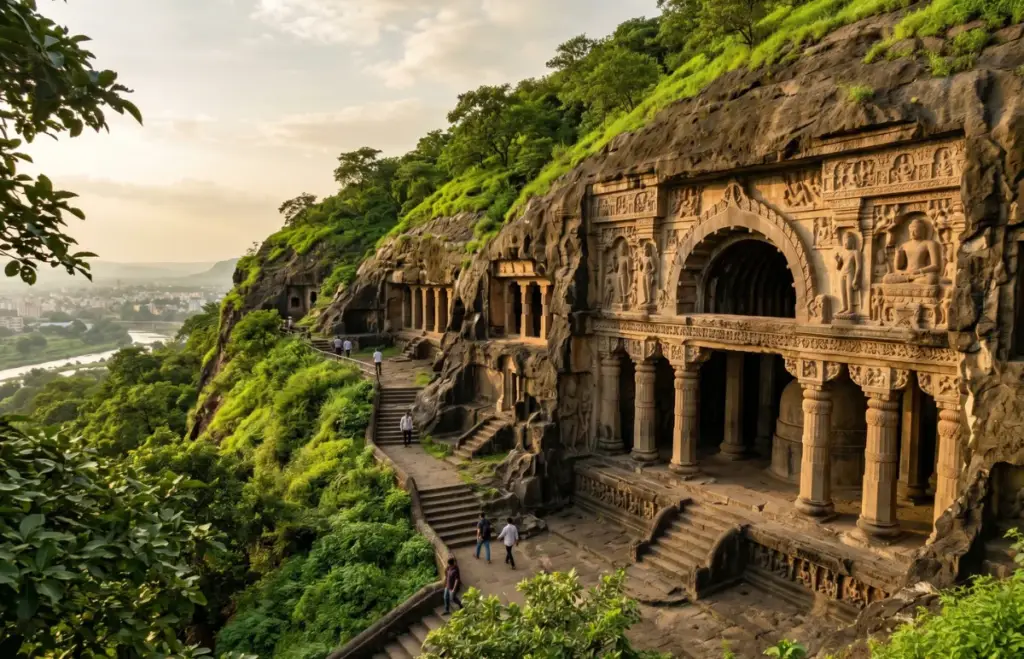
4. 12:00 PM – Visit Pandavleni Caves
Pandavleni Caves offer you some of the best panoramic city views. Dating back more than 2,000 years, these Buddhist caves feature rock-cut prayer halls, monastic residences, and ancient inscriptions.
5. 2:00 PM – Lunch
Enjoy lunch and relax before the final destination of the day.
6. 4:00 PM – Visit Sula Vineyards
Sula Vineyards showcases a completely different side of Nashik. Here, you can participate in activities including vineyard tours, countryside photography, and fine dining. You can also enjoy sunset views over the vineyards.
7. 7:00 PM – Return to Nashik and Prepare for Departure
As your three-day pilgrimage comes to an end, you can finally return with memories of sacred rituals and the vibrant atmosphere of Kumbh Mela.
How and When to Book Accommodation for Nashik Kumbh 2027
Accommodation demand increases during Kumbh Mela, which leads to higher costs. So, you should consider booking accommodation as soon as the Shahi Snan dates are announced. Choose hotels that offer free cancellation and airport and railway transfers. Stay close to shuttle routes and confirm check-in policies during Kumbh peak dates.
Best Time to Book
| Accommodation Type | Recommended Booking Window |
| Budget Hotels | 6–8 months before |
| Mid-Range Hotels | 8–12 months before |
| Premium Hotels | 12+ months before |
| Luxury Camps | 12+ months before |
Best Areas to Stay
- Panchvati
- Ramkund Area
- Nashik Road
- Gangapur Road
- College Road
- Trimbakeshwar Road
👉 [Read our complete guide on How Much Does Nashik Kumbh Mela Actually Cost? →]
What to Pack for Nashik Kumbh Mela 2027
- Government-issued ID
- Comfortable walking shoes
- Lightweight cotton clothing
- Reusable water bottle
- Power bank
- Small backpack
- Personal medicines
- Umbrella or rain jacket
- Extra footwear for temple visits
- Waterproof pouch for valuables
Conclusion
This well-planned 3 day Nashik Kumbh Mela itinerary will allow you to experience the grandeur of Nashik. From the holy dip at Ramkund to the magnificent Akhara processions and Trimbakeshwar Temple, following this itinerary ensures a memorable pilgrimage and travel experience.
Frequently Asked Questions (FAQs)
Some of the must-visit sacred sites at Nashik Kumbh Mela include Ramkund, Trimbakeshwar Temple, Kalaram Temple, Sita Gufa, Kapaleshwar Temple, Kushavarta Kund, and Tapovan.
The Amrit Snan and Shahi Snan are the most spiritually significant events. One can witness the largest gatherings of saints and pilgrims on these days.
Yes. International visitors frequently attend Kumbh Mela to witness India’s spiritual traditions and cultural heritage.
Trimbakeshwar Temple is approximately 30 kilometers from Ramkund, and you can reach there in 45–60 minutes by road.
You should book 8–12 months in advance, especially if you are planning to travel during Amrit Snan or Shahi Snan dates.