

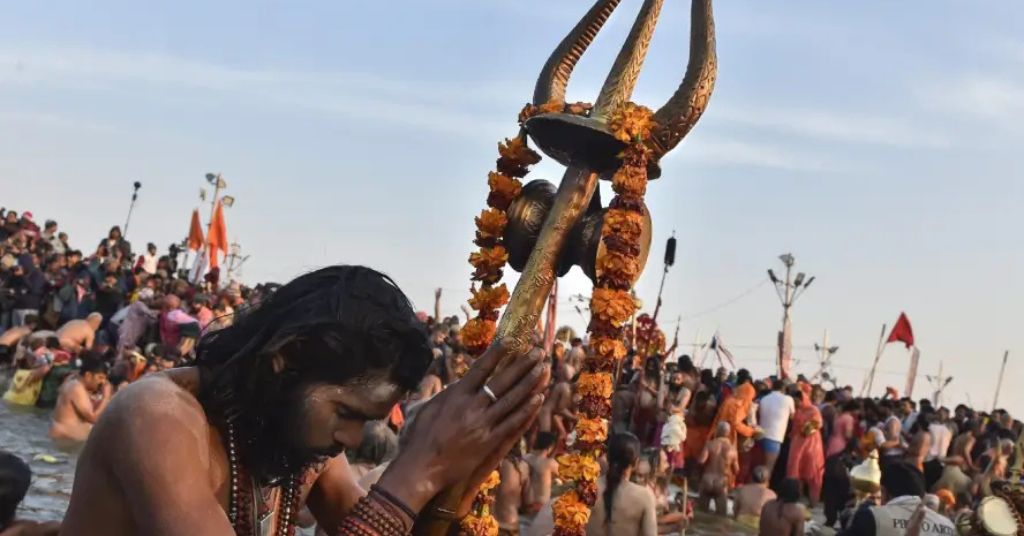
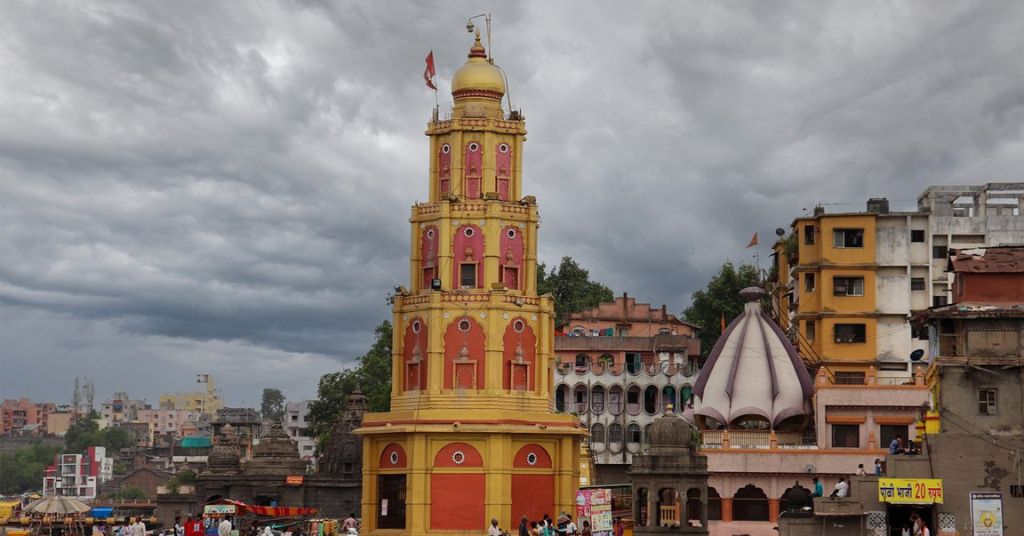
Ramkund is the sacred and most prominent ghat and a known bathing spot near the Godavari River in Nashik.
Ramkund is officially recognised as the primary bathing ghat during the Nashik Kumbh Mela and is located in the Panchavati area of Nashik city.
It is centred to Kumbh Mela and is a very popular spot for pind daan and ancestral rites. It is believed that Lord Ram bathed in this kund and performed the last rites of his father, King Dashratha.
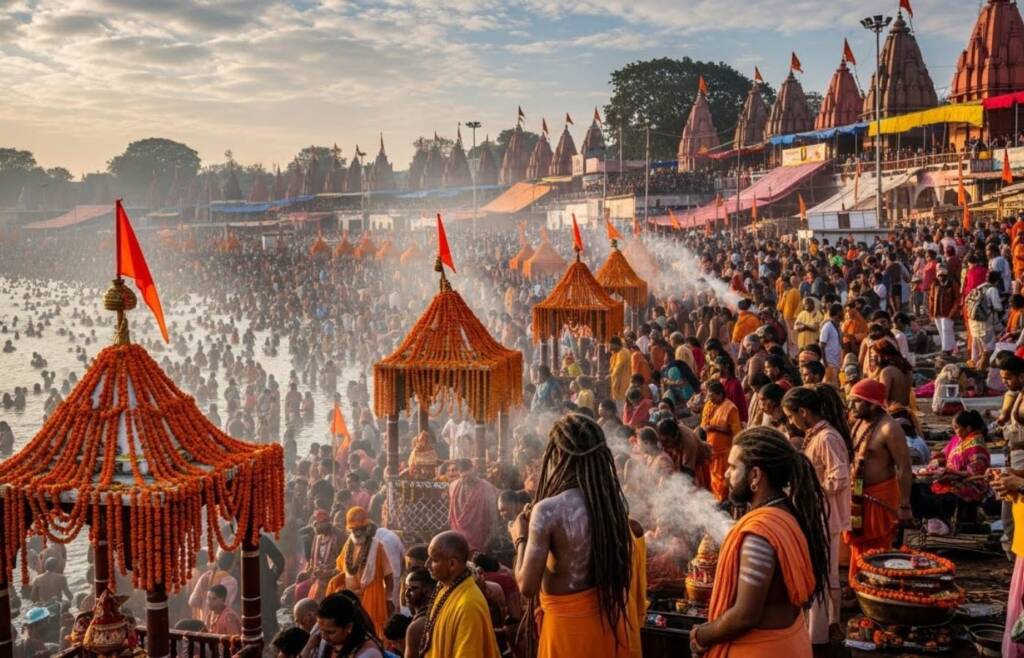
Ramkund is the primary snan ghat where devotees take their first holy dip into the Godavari River. The atmosphere here is surreal, mantra chanting echoing the air, priests performing rituals, diyas lit up, and a perfectly flowing river.
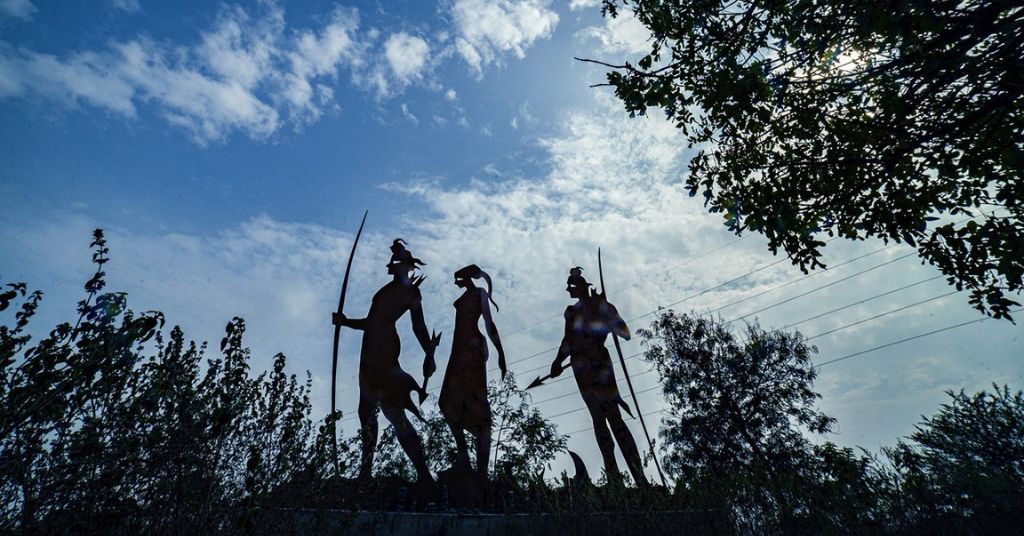
Tapovan means the forest of meditation. It is a spiritually significant area located on the banks of the Godavari River, close to Ramkund and Sadhugram.
This powerful spiritual destination has a connection to Lord Ram and the Godavari River. It is believed that during the time of Ramayana, when Lord Ram, Sita and Lakshman stayed in the forest, Lakshman meditated here.
Not just this, even the popular episode of Lakshman cutting Shurpankha’s nose unfolded here. This place also has an all religions temple, depicting the stories of Ramayana.
If you are somebody looking to escape the intense crowds near Ramkund, Tapovan is ideal for you. It’s a spiritual site during Kumbh Mela due to its divine and pure aura. This place is ideal for meditation and self-reflection. Moreover, significant temples like the Godavari Dham and Shree Lakshmi Narayan Temple are some spots that attract many spiritual seekers and pilgrims here.
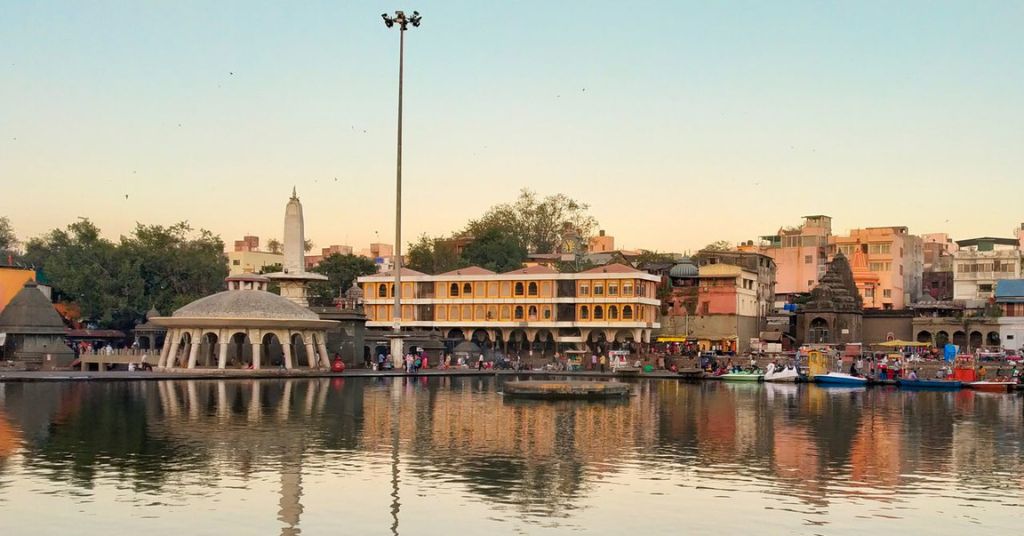
We cannot separate the Kumbh Mela from Nashik’s heritage, and nothing represents that better than Panchavati.
Panchavati is one of the most historically important pilgrimage zones in Nashik and remains active throughout the year, not only during Kumbh Mela.
Panchavati is a cluster or groups of five banyan trees where Lord Rama once lived. It is a significant area along the Godavari River, popular as a pilgrimage hub for its devotees throughout the year.
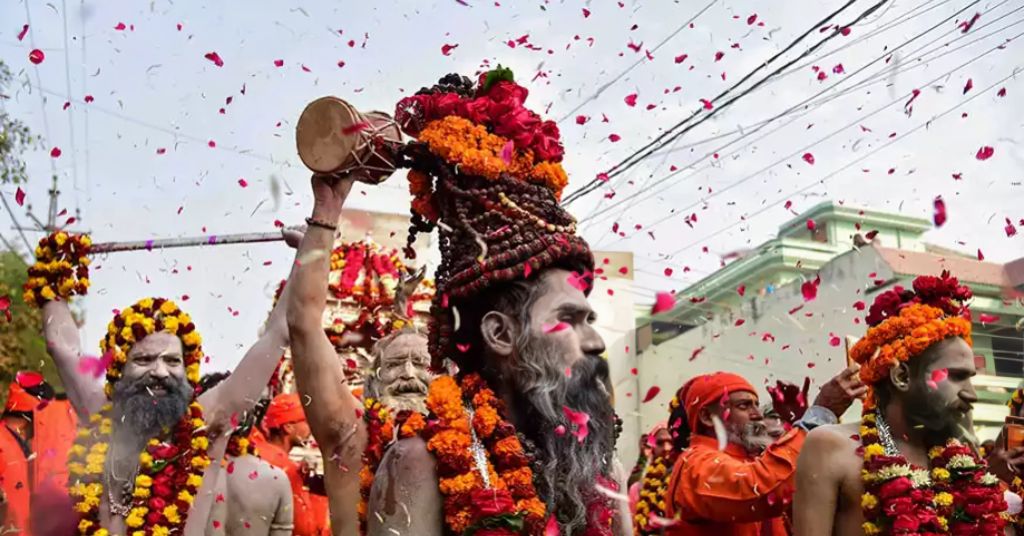
During the time of Kumbh, the narrow lanes, temples, ashrams, and ghats around Panchavati become even more vibrant with devotional music, colourful processions, and cultural performances. Additionally, key attractions in Panchavati include Kalaram Temple, Sita Gumpha, Naro Shankar Temple and historic alleys filled with markets and local eateries.
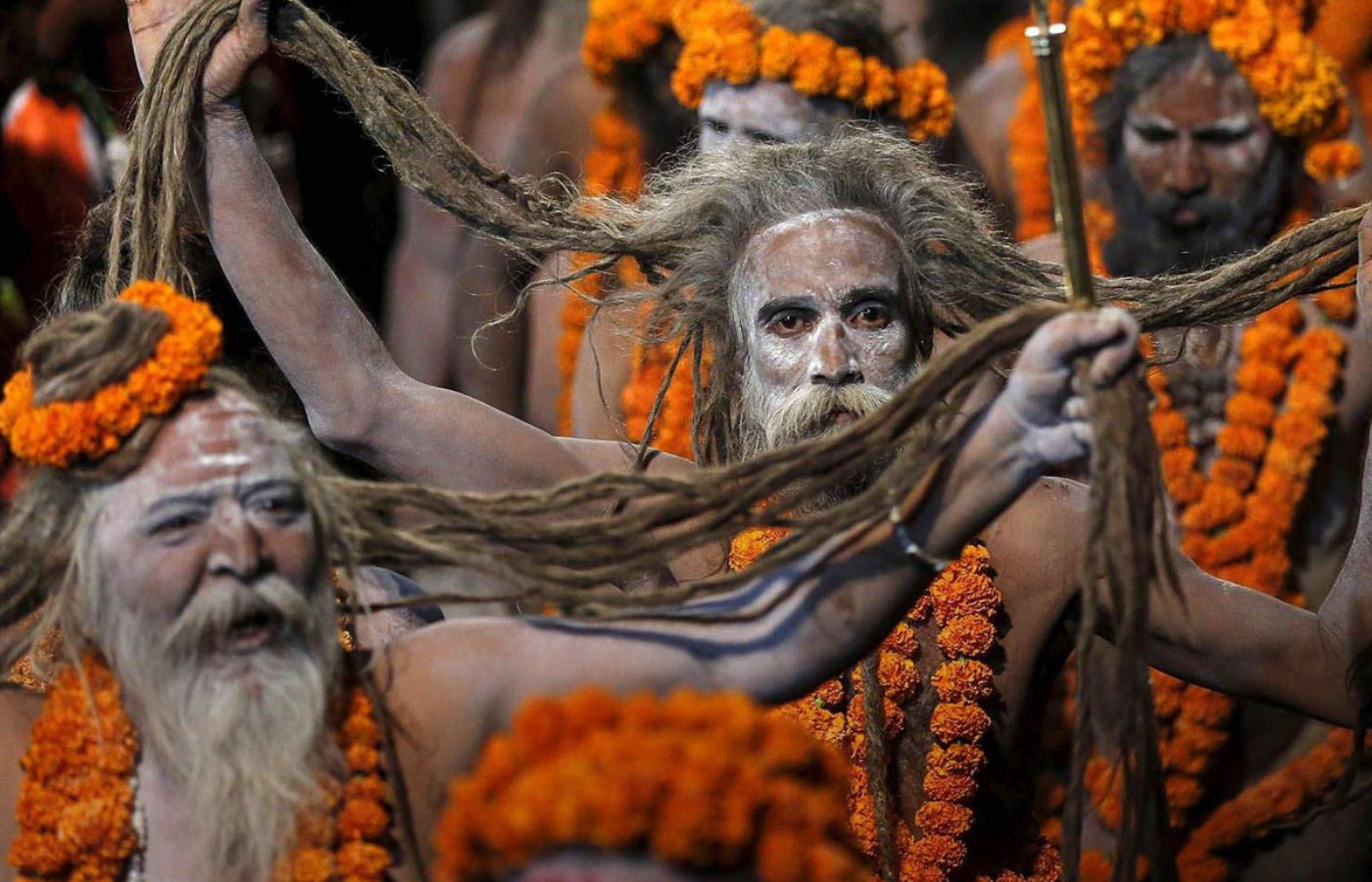
Sadhugram refers to the temporary settlement done for the Sadhus and akharas that come to visit the Kumbh Mela. Sadhugram is a specially planned Kumbh infrastructure zone developed exclusively for Akharas and ascetic communities.
It’s a large site exclusively reserved for Sadhus and is planned near the Tapovan area by the Godavari River. If you wish to experience the core spiritual energy of the Kumbh Mela closely, Sadhugram should be on top of your list. Every lane has something visually stunning and culturally rare to offer to the visitors at Kumbh Mela.
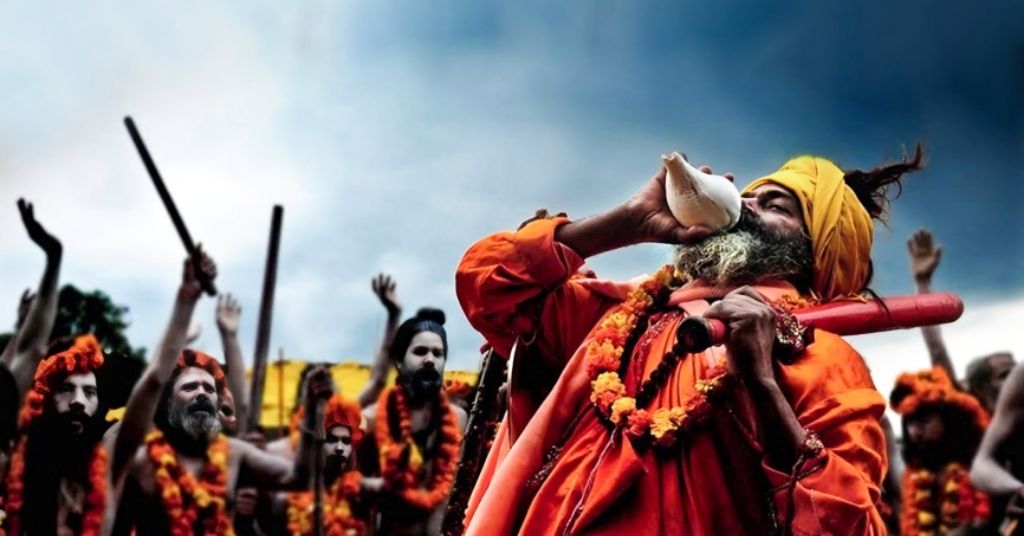
Each Sadhu and Akhara sets up its own camp, including tents, kitchens, and meditation areas. The heavenly Sadhugram feels like another world where ash-smeared Naga monks and chanting devotees exist side by side and perform ancient rituals. However, this plan also led to great controversy as almost 1400-1800 trees would be cut down to build this massive township and make this place suitable for Sadhus to stay and pray there.
The Godavari River is the soul of the Nashik Kumbh Mela.
All major bathing rituals, including Shahi Snan, are performed along designated ghats on the Godavari River during Nashik Kumbh Mela.
The entire Godavari bank comes to life during Kumbh Mela. The food stalls, spiritual platforms, the chants, and the mantras, everything in one place, make you feel so peaceful and pure from within.
From priests performing aarti during sunrise to sunset to sadhus meditating on the steps and photographers capturing reflections and silhouettes, the Godavari riverbank is always full of life. Moreover, the key ghats along the Godavari River include Ramkund, Ahilyabai Holkar Ghat, Choudhary Ghat, Kapila Ghat and Teerthraj Ghat. There are some rituals also that are performed near the Godavari bank in the Kumbh Mela, including Pind daan, Annakoot, Aarti, and Kalpvaas.
The primary entrance to the Nashik Kumbh Mela is through Gangapur Road.
It functions as the main logistical and transport corridor connecting Nashik city with Kumbh Mela zones.
Considered as the lifeline of Kumbh, this road is what connects the visitors to the Godavari ghats as well as Panchavati during the Kumbh Mela. Due to its vital importance, this road becomes one of the busiest lanes in Nashik during the festival.
Gangapur Road is the main connection between the city centre and the ghats during the Kumbh Mela. That said, major parking areas and bus drop-off points lie along this route as the campgrounds are mostly settled here. Moreover, one can frequently witness processions and pilgrim groups moving through this road.