

Peshwai procession : The Sacred March of Faith
The Peshwai procession at the Nashik Kumbh Mela are the royal entry of Akharas, mainly Sadhus and Naga Sadhus. The magnificent and breathtaking views of this grand entrance leave no chance of giving you goosebumps. It features elephants, music, horses, and a martial arts display, which symbolises a grand arrival and the beginning of this holy gathering.
The entry is a complete pomp and show for the viewers as they showcase their martial arts with swords, riding on elephants and horses, and acrobatic skills. Trumpets, drums, conch shells, and loud mantra chanting light up the entire environment.
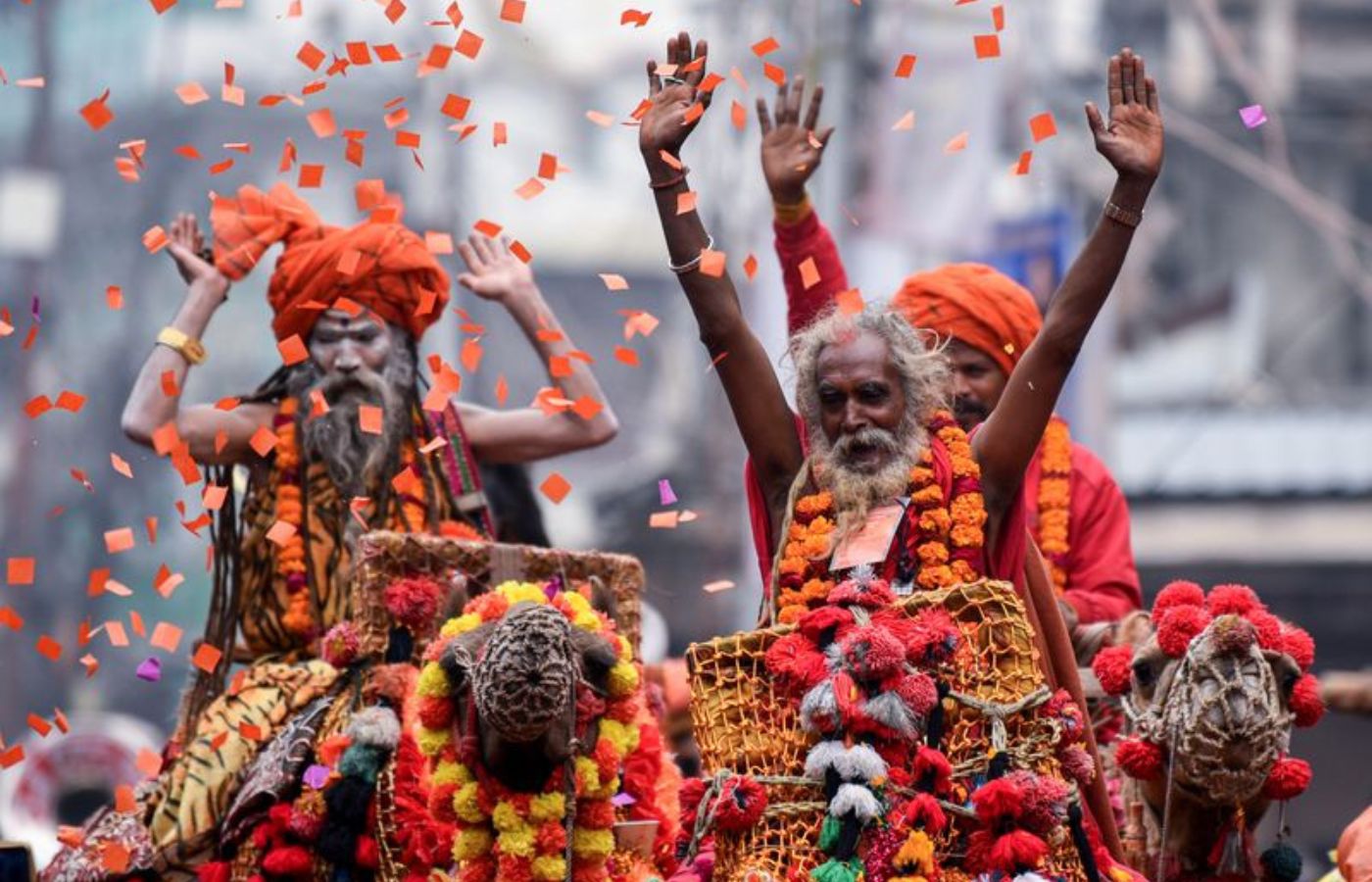
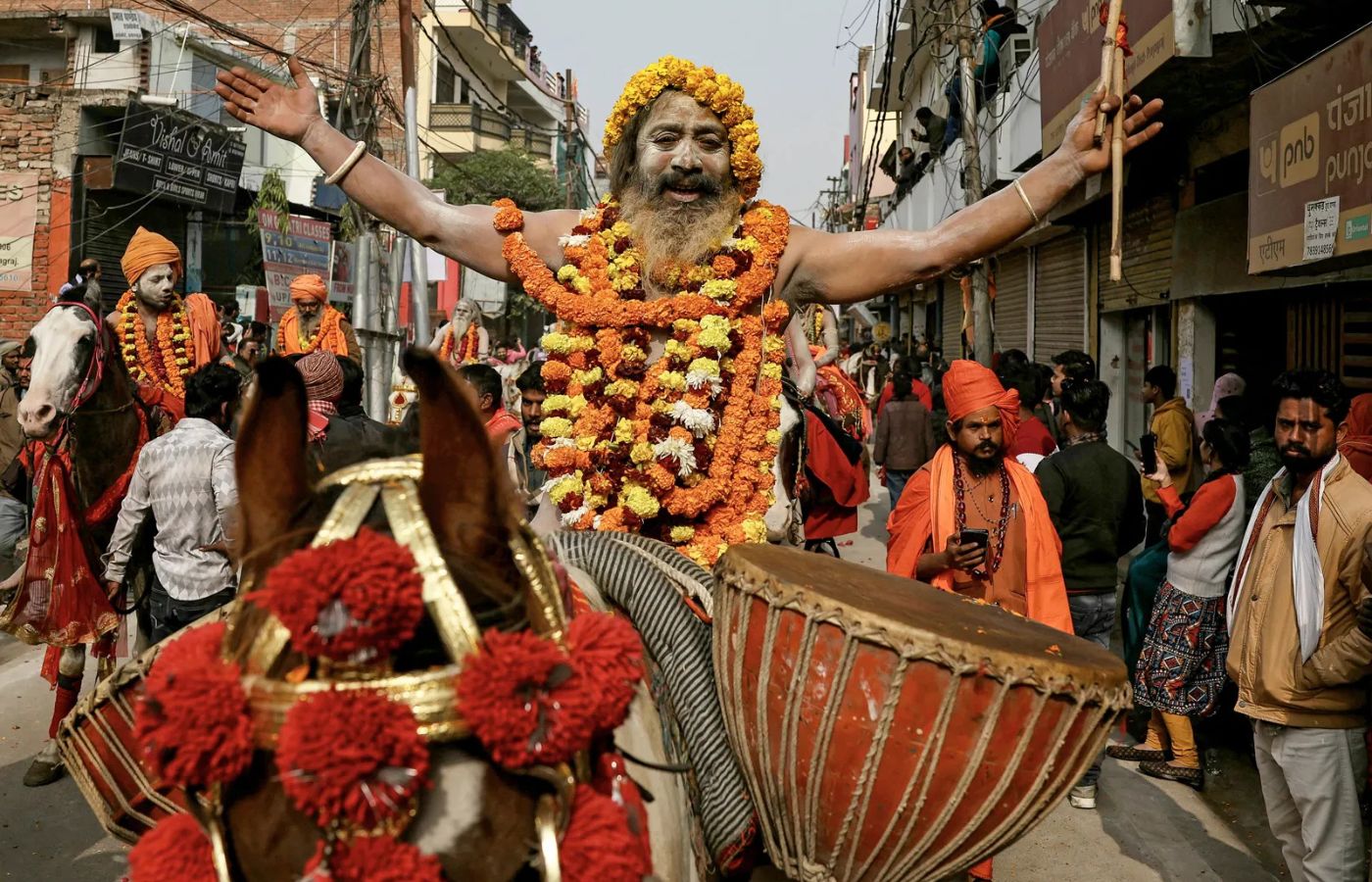
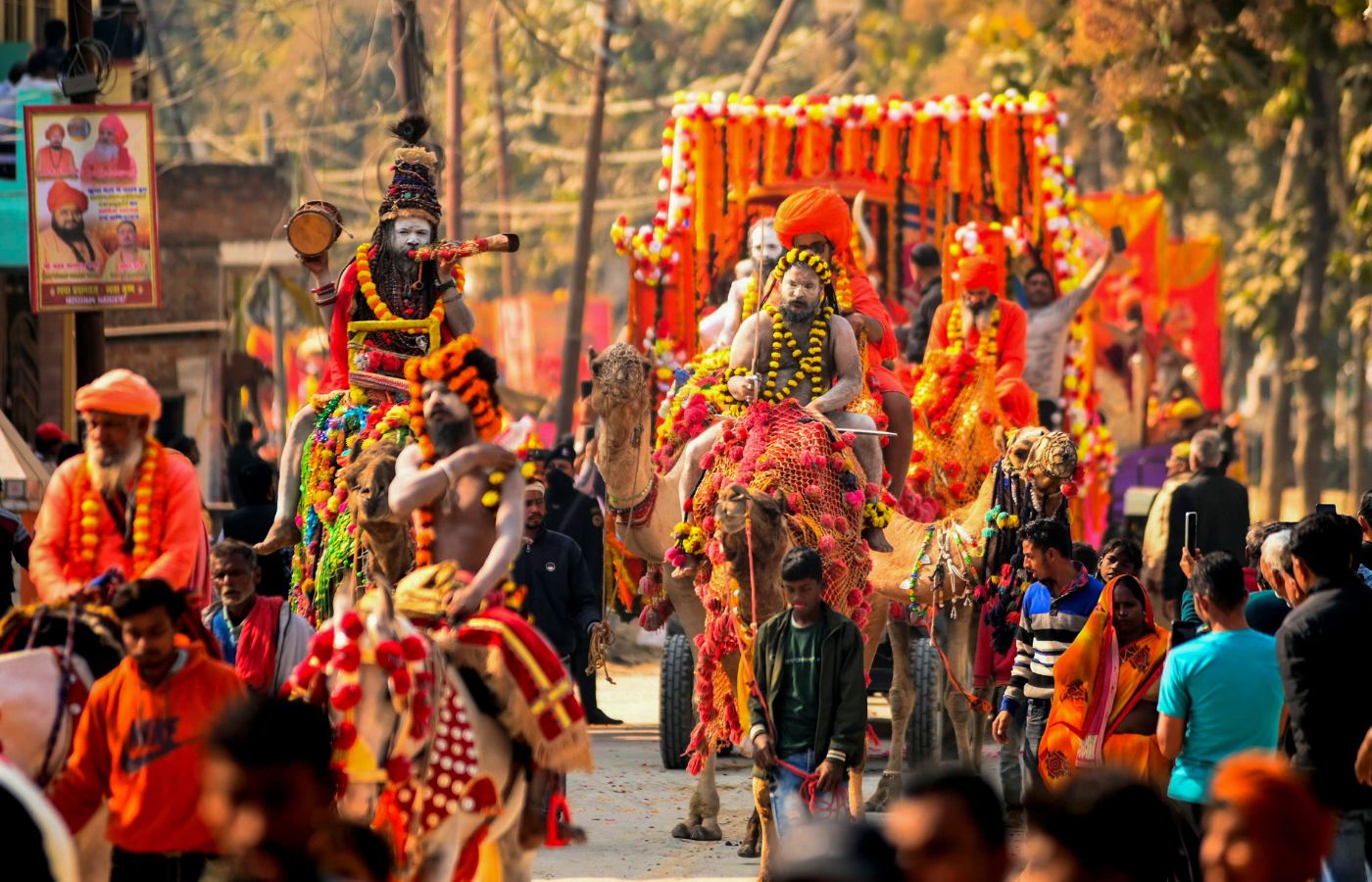
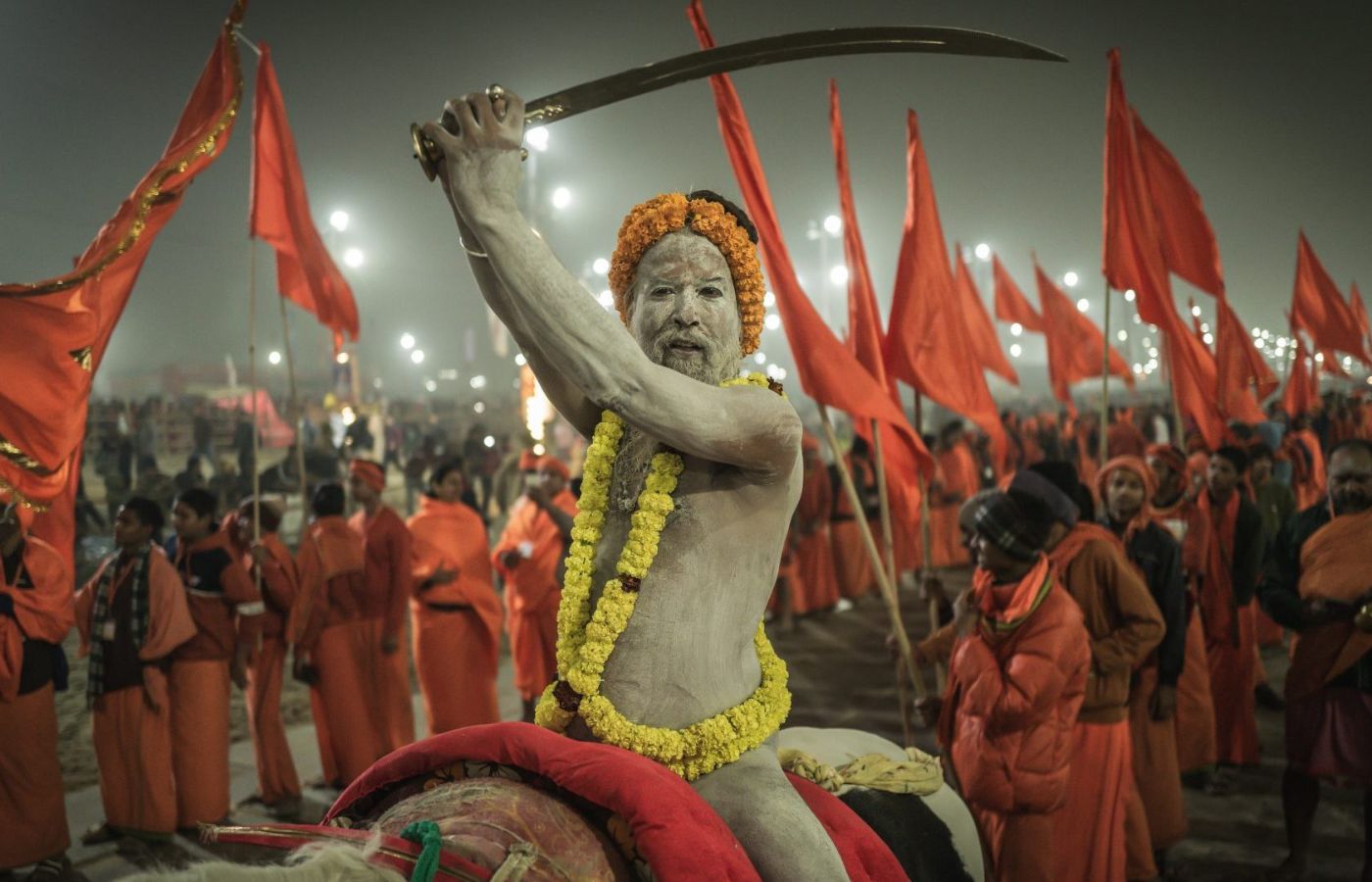
The Peshwai procession is a reminder of the living spiritual traditions of India. As the pilgrims are anticipating the celebration of Nashik Kumbh Mela 2027, the world will witness this powerful yet deeply devotional display of Peshwai once again. So, if you are somebody planning to attend the Kumbh Mela in Nashik, here is your complete guide to the Peshwai processions at Nashik Kumbh Mela.
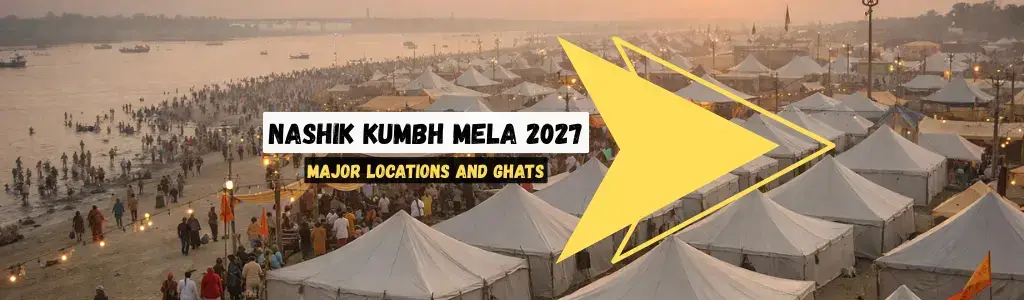
Nashik Kumbh Mela 2027: Expected Dates and the "Simhastha" Connection
For those planning their journey, the Nashik Simhastha Kumbh Mela 2027 is expected to take place between August and September 2027. The festival is uniquely called “Simhastha” because it occurs when Jupiter enters the zodiac sign of Leo (Simha). While the exact calendar of Shahi Snan (Royal Bath) dates will be officially released by the Akhara Parishad closer to the event, the Peshwai processions typically begin several days before the first major bathing date. Watching the transition of the planets while witnessing the Peshwai adds a layer of cosmic significance to your visit.
Why Kumbh Mela is celebrated after 12 years?
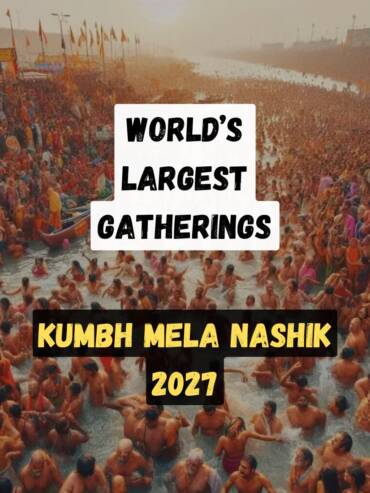
Kumbh Mela is celebrated in India every 12 years. The Kumbh Mela is celebrated along the Godavari River, being so sacred and pure that it attracts a large number of devotees, Sadhus, and travellers from all around the world.
It is a place where devotion, culture, and human emotions all perfectly blend together to create an unforgettable experience for the visitors and devotees. The word Kumbh is derived from the Sanskrit word ‘Kumbha’, which means a pot. Kumbh signifies life, death, and a mother’s womb.
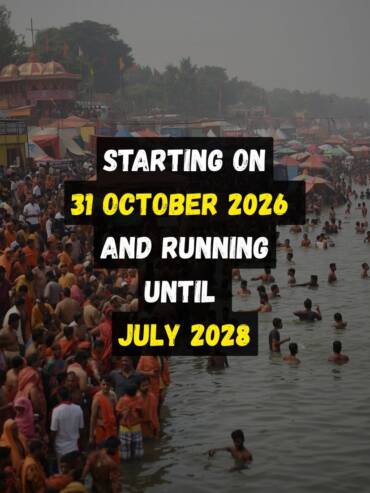
The Kumbh is a massive Hindu pilgrimage that revolves around the idea of the magical and most powerful drops of immortality, also known as ‘Amrit’. In Hinduism, Amrit is a deep and spiritual term that represents the divine essence and a source of life tied to astrology.
What is Peshwai in Kumbh Mela?
The Peshwai is the official signal of the beginning of the Kumbh Mela. This procession is a pure display of power, devotion, and martial arts of each Akhara. It showcases the unique culture, tradition, and rituals of each and every Akhara. They then have to proceed with Shahi Snan to mark the beginning of Kumbh Mela and to take the first sacred dip into the Godavari River. This dip is known to remove all our sins and purify our souls.
The Peshwai holds great significance as it represents the arrival of divinity on Earth. It is the profound expression of faith, spirituality, and a culturally strong heritage. It is said that the Peshwai leaves a lasting impact on the visitors, as it is an overwhelming yet peaceful experience. The sight of such beautiful ascetics renounced of worldly life inspires humility among the onlookers.
Role of Akharas in the Peshwai procession at Kumbh Mela 2027
Akharas are ancient monastic orders that preserve Hindu spiritual traditions, martial knowledge, and philosophical teachings. The prominent Akharas participating in the Peshwai procession at Nashik Kumbh Mela 2027 are Juna Akhara, Niranjani Akhara, Mahanirvani Akhara, Atal Akhara, Avahan Akhara, and Anand Akhara. These different types of Sadhus in Kumbh Mela add stars to the grand event.
The main features of each Akhara are that each one of them has its own flag, symbols, and traditions, which help distinguish them from one another. They maintain strict discipline and hierarchy throughout the Kumbh Mela while performing their Peshwai separately. The royal Peshwai procession boasts immense grandeur, reflecting the strength and spiritual legacy of each Akhara.
Understanding the Two Venues: Nashik and Trimbakeshwar
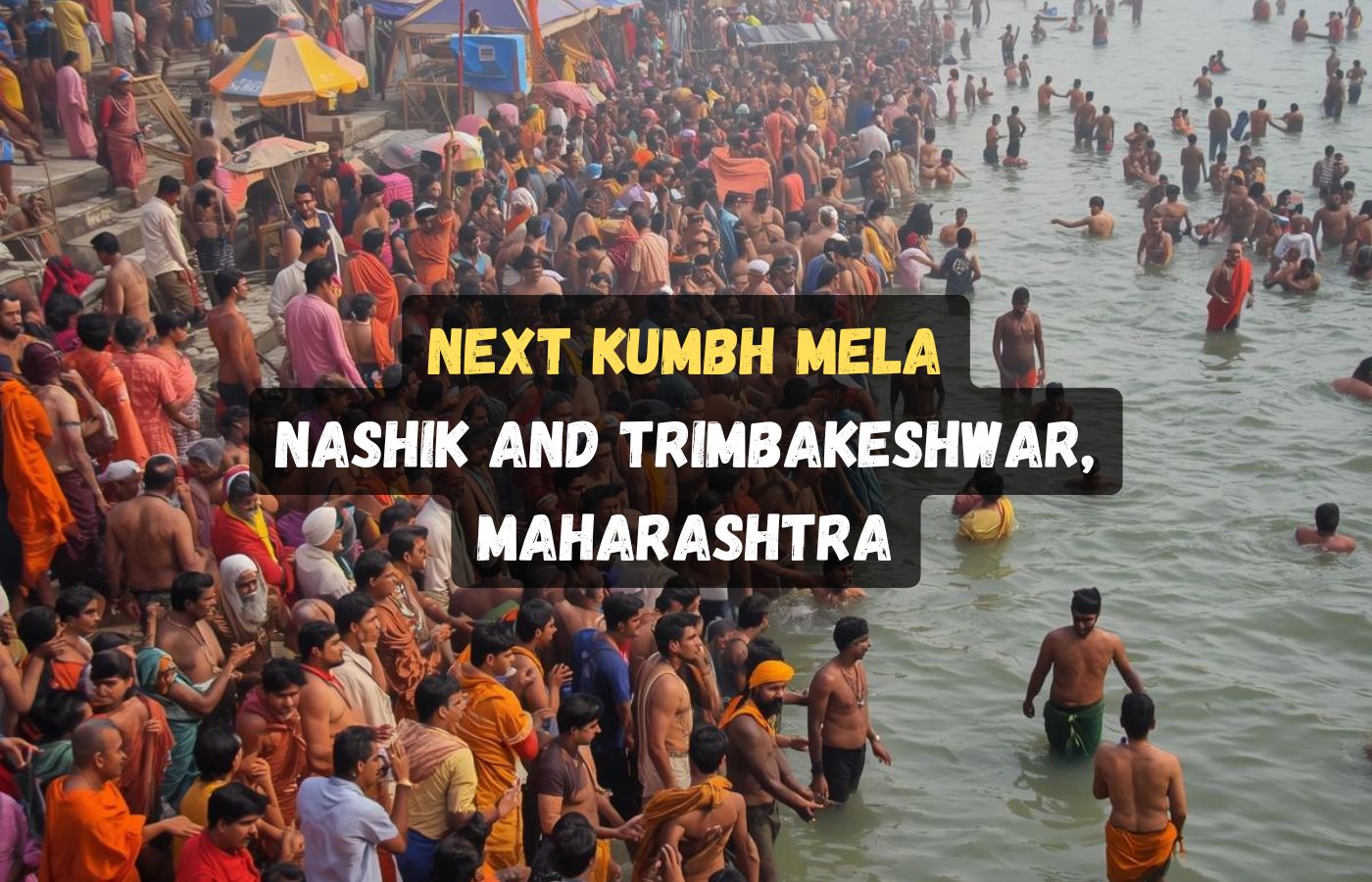
It is important for travelers to know that the Nashik Kumbh Mela happens simultaneously at two locations. The Vaishnavite Akharas (followers of Lord Vishnu) perform their Peshwai and Shahi Snan at Ramkund in Nashik city, while the Shaivite Akharas (including the famous Naga Sadhus and followers of Lord Shiva) gather at Kushavarta in Trimbakeshwar, located about 30km away. If your goal is to see the fierce Naga Sadhu Peshwai, you must plan your visit to Trimbakeshwar, whereas for the grand royal processions of the Bairagi Sadhus, the Nashik city banks are the place to be.
Peshwai procession and its connection with the Shahi Snan
Interestingly, the Peshwai procession is not an isolated event at Kumbh Mela in Nashik. This grand phenomenon is directly linked to the Shahi Snan at the Kumbh Mela. After the procession, the Akharas head towards the holy banks of the Godavari River and take the first ceremonial dip, known as Shahi Snan. As per the traditions, the common devotees can bathe in the river only after the Akharas complete their snan. It is believed that the saints and Naga Sadhus in Kumbh Mela purify the river before the masses enter to take the holy dip.
Spiritual Significance of the Peshwai Procession
The Peshwai procession is not just about its grandeur, as it also holds deep symbolic meaning during the Nashik Kumbh Mela 2027. The procession marks the arrival of divine energies on Earth and showcases the victory of Dharma. Moreover, the martial displays by the Sadhus represent the protection of righteousness. It is believed that when Sadhus arrive with their Peshwai processions, they purify the space by chanting mantras and performing the rituals before mass participation at Kumbh Mela.
As Sadhus spend years doing Tapasya, they are believed to transmit spiritual power into the Kumbh arena upon their arrival. That said, devotees who witness the Peshwai receive punya even though they don’t have direct participation in it. This royal procession is considered a sacred ritual that uplifts the mood and faith of all the onlookers.
Cultural and Historical Importance of the Peshwai Procession
The Peshwai procession is a reflection of India’s spiritual wisdom, warrior discipline, and royal patronage. According to historical scriptures, kings and rulers used to support Akharas because they wanted to protect the pilgrimages and religious practices of Hinduism. They gifted royal elements like elephants, weapons, and regalia to the Kumbh Mela Sadhus to perform the Peshwai procession. Since then, these elements have been an indispensable part of this grand spiritual event.
The Peshwai procession is a spiritual event that preserves the ancient martial traditions of India, along with its monastic discipline, oral histories, and rituals. It is a reflection of the rich cultural heritage of India and a living testimony of utmost devotion. Due to all these factors, the Peshwai procession becomes the key highlight of the Kumbh Mela.
Peshwai Procession at Nashik Kumbh Mela 2027
As Nashik has a direct connection with Lord Rama and the Godavari River, the Peshwai here holds a uniquely sacred aura compared to other Kumbh sites. The Nashik Simhastha Kumbh Mela 2027 will witness a grand and large-scale Peshwai procession. So, this year, the state has come up with enhanced arrangements to ensure the safety and smooth functioning of the events at Kumbh Mela.
Devotees will find tighter security arrangements and well-planned crowd management to ensure that the Peshwai can proceed peacefully. The attendees will have designated viewing zones and the facility to watch live broadcasts of this cultural gathering. An enhanced ceremonial coordination is anticipated between Akharas to foster harmony and a sense of communal peace.
Best Places to Watch the Peshwai Procession at Nashik Kumbh Mela 2027
If you are wondering where you can watch the Peshwai Procession at the Nashik Kumbh Mela 2027, the authorities have announced designated procession routes for everyone. You can get the best views of the Peshwai near Ramkund and Panchavati areas, if you arrive early, as crowds gather quickly. Moreover, viewing galleries are also set up during the Kumbh to ensure that devotees can witness the grandeur of the Peshwai procession and live it in real time.
Tips for Devotees and Travellers attending the Peshwai procession at Nashik Kumbh Mela 2027
If you wish to witness the peshwai procession and be bestowed with punya, you should arrive at least 2–3 hours early. For ease of movement and a fuss-free experience, wear comfortable and modest clothing. Moreover, it is advised to follow the police and volunteer instructions for a smooth experience. That said, avoid standing too close to animals or weapons and pay your respect to the saints. Last but not least, you should keep your valuables secure to prevent theft in crowded areas.
The Peshwai procession at Nashik Kumbh Mela is the heartbeat of the festival. This ceremonial parade marks the arrival of saints and divine energy, and commences one of the largest spiritual gatherings. With elephants marching and mantras echoing across Nashik, the Peshwai showcases the utmost devotion and faith displayed by the saints through the centuries. So, if you are someone attending the Nashik Kumbh Mela 2027, it is essential to witness the Peshwai procession and make a memory of a lifetime.
Frequently Asked Questions Related To Peshwai Procession
1. What is the Peshwai procession in Kumbh Mela?
Peshwai is the royal entry of Akharas into the Kumbh Mela held before the Shahi Snan. It marks the official beginning of the largest spiritual gathering.
2. Who participates in the Peshwai procession at Nashik Kumbh Mela?
While anyone can witness the Peshwai procession at Kumbh Mela from designated areas, only Sadhus, Naga Sadhus, Mahants, and leaders of various Akharas participate in it.
3. How many Peshwai procession are held at Kumbh Mela, and how long does the Peshwai last?
Each Akhara conducts its own Peshwai to showcase its royalty and strength. Depending on the number of Akharas participating in it, the Peshwai can last several hours.
4. Is photography allowed during the Peshwai procession at Kumbh Mela?
Generally, photography is allowed during the Peshwai procession at Kumbh Mela. However, some restrictions may apply near saints or rituals.
5. What are the best areas to witness the Peshwai procession at Kumbh Mela?
You can get the best views of the Peshwai near Ramkund and Panchavati areas. However, you should try to arrive early, as crowds gather quickly. Moreover, viewing galleries are also set up during the Kumbh to ensure that devotees can witness the grandeur of the Peshwai procession.