

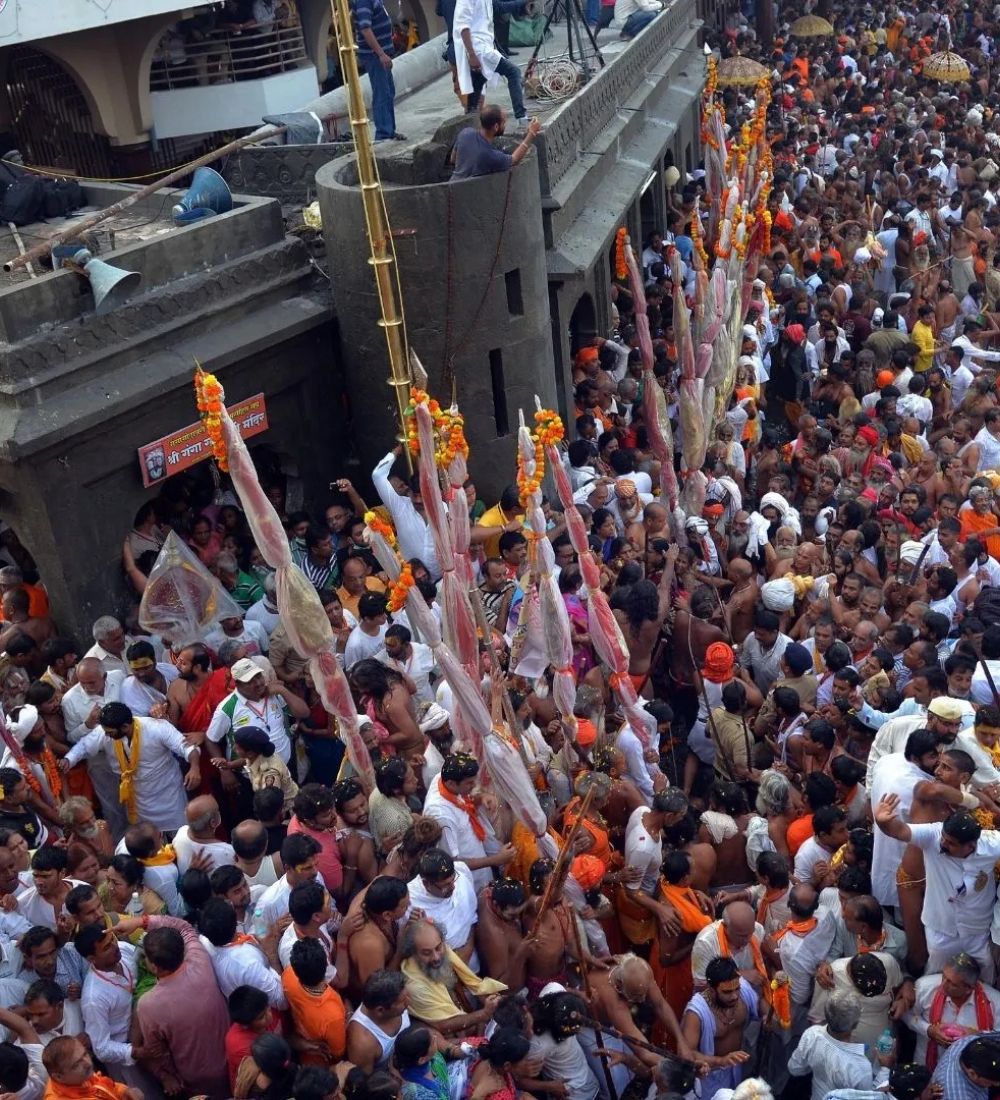
The Nashik Kumbh Mela is a cultural program held on a grand scale every 12 years, attracting a large number of tourists. The main purpose of the Kumbh is to take the holy dip in the Godavari River, a ritual so sacred and pure that it is known to remove all sins. It is a place where devotion, culture, and human emotions blend perfectly to create an unforgettable experience for those who experience it.
Rituals at the Nashik Kumbh Mela centre around grand Peshwai processions of all the Sadhus and Naga Sadhus, who chant “Har Har Mahadev” as they head towards the river ghats for Shahi Snan, with trishuls a major part of this procession. The Kumbh also boosts the tourism industry of the state, creating a surge in travel demand of the state. The event also increases the investment in infrastructure to manage the crowds.
Daily Schedule of Cultural Programs
Nashik Kumbh Mela 2027 is one of the world’s largest spiritual and cultural festivals held on the sacred banks of the Godavari River. Millions of pilgrims, saints, and devotees from across the world gather here to experience the grand cultural celebration. The Kumbh Mela will showcase a vast cultural universe filled with music, dance, exhibitions, storytelling, yoga, spiritual debates, and traditional processions. During the Kumbh, the city becomes a temporary spiritual capital of India, where people can enjoy an unforgettable experience. The daily schedule of cultural programs at the Nashik Kumbh Mela 2027 includes:
Morning
- Yoga and meditation
- Satsang
- Shahi Snan rituals
- Scriptural teachings
Afternoon
- Cultural exhibitions
- Puppetry shows
- Workshops
- Heritage walks
Evening
- Godavari Aarti
- Folk dance and music
- Bhajan-kirtan
- Spiritual talks
Night
- Storytelling sessions
- Light and cultural shows
- Community prayers
Why Nashik Kumbh is Culturally Unique from other Kumbh Locations
There are four sacred Kumbh Mela locations, namely Prayagraj, Haridwar, Ujjain, and Nashik, and each one has its own spiritual significance. However, the Nashik Kumbh Mela holds a unique place due to its beautiful blend of Shaiva intensity, connection to Ramayana, Maharashtrian folk traditions, and a distinctive cultural identity.
While Kumbh is celebrated on an overwhelming scale in Prayagraj and Haridwar, Nashik offers a spiritually powerful yet culturally intimate experience to the devotees. Let us take you through the key elements that make Nashik Kumbh culturally exceptional.
1. Strong Shaiva and Vaishnava Traditions
Shaivites are followers of Lord Shiva, whereas Vaishnava refers to the followers of Lord Vishnu/Rama. Nashik is one of the few Kumbh locations where Shaiva and Vaishnava traditions coexist strongly. Trimbakeshwar Jyotirlinga, one of the 12 sacred Jyotirlingas of Lord Shiva, gives Nashik a deep connection to Shaiva. At the same time, the city’s connection to Lord Rama’s exile roots it in Vaishnava devotion.
During Kumbh Mela, Naga Sadhus chant “Har Har Mahadev” and bhajans of Lord Rama echo through the ghats. Moreover, both Shaiva and Vaishnava Akharas participate in rituals. This dual spirituality creates a richer devotional atmosphere in comparison to other Kumbh sites, which are mainly aligned with one tradition.
2. Deep Ramayana Connection
Nashik is a living chapter of the Ramayana. According to mythology, Lord Rama, Sita, and Lakshmana spent part of their exile in Panchavati (present-day Nashik). It is believed that as Lakshmana cut off Surpanakha’s nose here, so the city got its name ‘Nashik’. For the unversed, “Nasika” means nose.
Moreover, the Godavari River is said to have been blessed by Lord Rama. Because of this, many cultural programs at the Nashik Kumbh Mela feature Ramayana storytelling, and the exhibitions showcase Panchavati’s historical importance. Pilgrims who participate in the Kumbh rituals also visit the Ram temples and caves.
3. Strong Maharashtra’s Folk Culture Influence
Another factor that differentiates Nashik from the other Kumbh sites is its Maharashtrian cultural flavour. During the festival, visitors witness the powerful and rhythmic drumming of Nashik Dhol that energises the processions and gatherings. Visitors also enjoy the Dindi Processions, wherein devotional singing groups walk in disciplined formation and play cymbals and mridangam.
The traditional Maharashtrian dance Lavani and Tamasha performances are other key highlights that add vibrancy to these cultural evenings. You can also witness Lezim performance, which is a folk dance using jingling instruments.
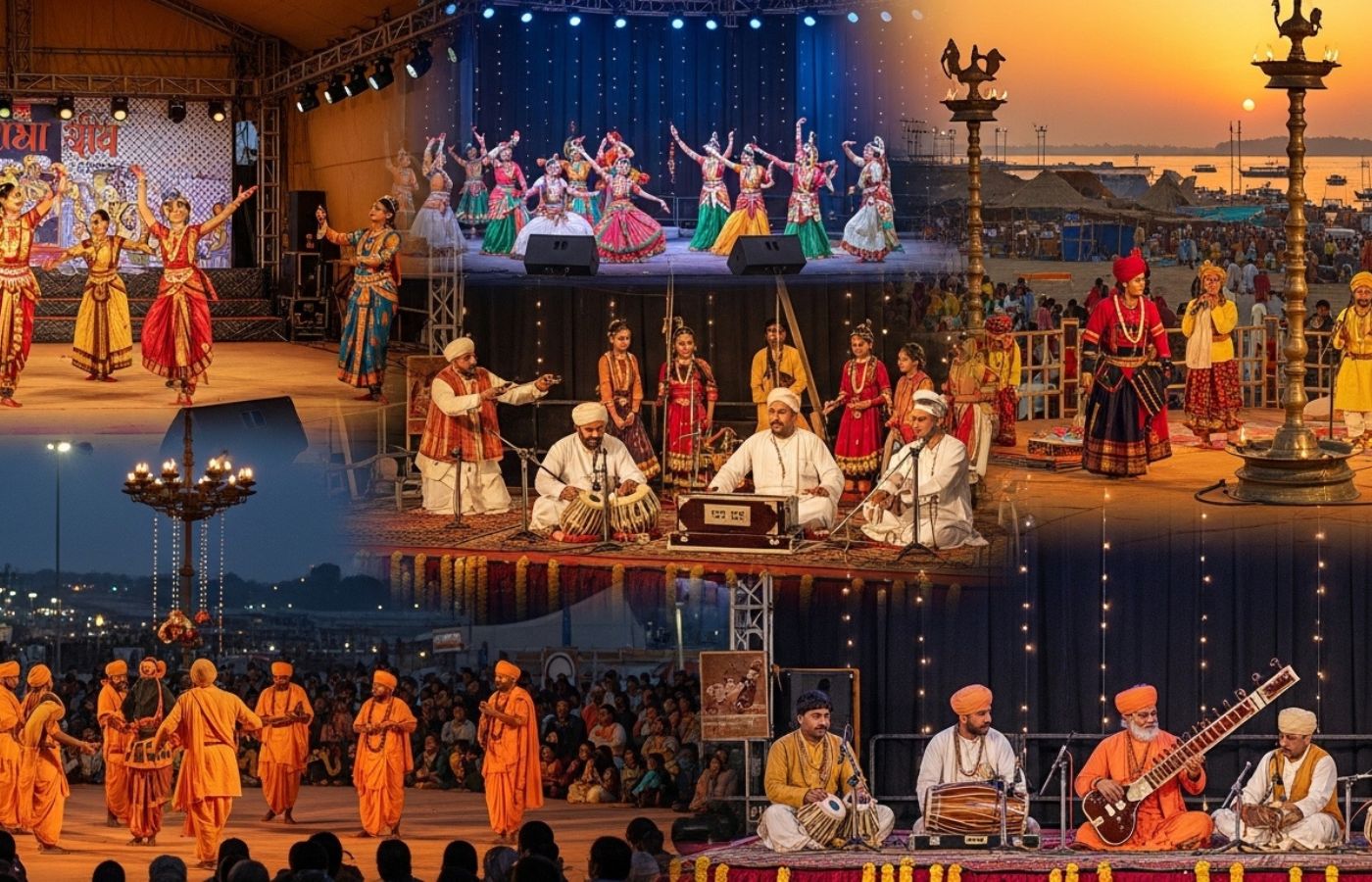
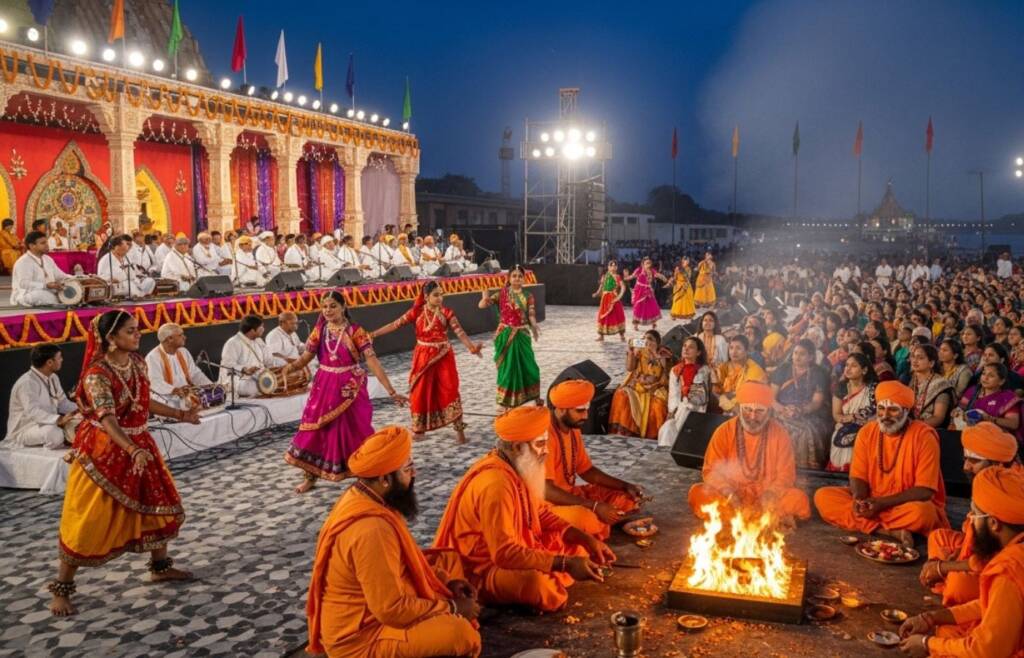
Cultural programs at Nashik Kumbh Mela 2027
The Nashik Kumbh Mela 2027 isn’t just a pilgrimage. It is a living epic featuring mythology, meditation, warrior heritage, devotion, discipline, and communal celebration. Whether you witness the arrival of sadhus in a Peshwai procession, the serene atmosphere of Godavari Aarti, or the Shahi Snan at sunrise, you will feel transformed — spiritually, culturally, and emotionally.
This upcoming Nashik Kumbh Mela will feature an extensive range of cultural programmes, including the likes of spiritual workshops, cultural exhibitions, puppetry, local cultural programs, traditional dance and music shows, yoga and meditation programs and logo design competition. If you are planning to be a part of this spiritual gathering, here is a comprehensive guide to all the sacred rituals and cultural programs that will take place at Nashik Kumbh Mela 2027.
The upcoming Kumbh will feature many spiritual workshops, including satsang, yoga sessions, and katha. Satsang is a spiritual gathering where all people come together to sing bhajans, perform kirtans, and read spiritual texts by the gurus. The word ‘Satsang’ means ‘association with the truth’.
Devotees also participate in yoga sessions and enjoy an unforgettable experience. People come together to practice yoga asanas, like Pranayam (breathing exercises), Shavasana (deep rest practice), and other asanas that help boost strength, flexibility, and calm down the nervous system.
Teachings from gurus, about the Vedas and Granthas is something that is loved by individuals who are at the beginning of their spiritual journey or simply just love to listen to their teachings. These teachings at the Nashik Kumbh Mela also help in providing deep spiritual insights to people.
The cultural exhibitions that are going to take place at the Nashik Kumbh Mela will showcase the history of Nashik. In these exhibitions, people will get an opportunity to learn a lot about the culture and history of the state. The displays show how people live there, what is part of their daily diet, how they run their livelihoods, which crops are grown, the fruits and vegetables exclusive to the state, the tea yards, the handicrafts, and much more.
Puppetry is an art form in which the storyteller uses small doll-like structures called puppets that are attached to a string handled by the storyteller. Puppetry is also going to be a part of these massive exhibitions that are going to take place during the Nashik Kumbh Mela, attracting millions of visitors. These puppetry shows are organised by locals and central authorities. The art form is mainly used for storytelling, while perfectly showcasing all types of mythological stories like the Ramayana. Some of the stories are also based on folklore and daily life. Rajasthani kathputli is usually showcased in these exhibitions.
The Kumbh itself is a cultural and spiritual event that will feature a vast range of local and traditional programs around the Godavari River. The Peshwai processions, evening Arti, Flag hosting, Parikarama are all done around the Godavari river.
The upcoming Kumbh is also going to feature high-energy and vibrant traditional music and dance forms that are later followed by the Shahi Snan. They would include Nashik Dhol, the loud drumming sound that is going to be the cultural identity of the celebrations. Devotees will also witness Dindi, which is the devotional folk music that includes singing and playing of cymbals. Bhajans and kirtans will also be performed with the help of traditional instruments like shehnai, tutari, and hand drums.
A logo design competition is also going to be organised for the Nashik Kumbh Mela by the government, which would give a chance to all the artists and logo designers to showcase their talent in front of a large number of people. The government has given guidelines about the logo as well, like it should be able to capture the essence of Kumbh, Lord Shiva, Ramayana, the ghats, etc. So, if you’re a logo designer, this is a great chance for you to showcase your talent.
Frequently Asked Questions (FAQs) about Cultural Programs at Nashik Kumbh Mela
1. What cultural programs are held at the Nashik Kumbh Mela?
The Nashik Kumbh Mela 2027 will feature yoga camps, satsang, kathas, exhibitions, puppetry, folk dance, and music. Apart from this, devotees can also enjoy wellness camps, processions, Godavari Aarti, and heritage showcases.
2. Are cultural events at the Nashik Kumbh Mela free to attend?
Most government-organised cultural programs and exhibitions are free, while some special workshops or camps may require registration.
3. How many days does the Nashik Kumbh Mela last?
The Nashik Kumbh Mela typically spans several weeks, with major bathing days and cultural programs scheduled throughout the period.
4. Is the Nashik Kumbh Mela suitable for tourists and families?
Yes. Apart from rituals, it offers safe cultural activities, exhibitions, performances, and wellness programs suitable for families and international tourists.
5. What is the best time to attend cultural programs at the Nashik Kumbh Mela?
Early mornings for yoga and Shahi Snan, and evenings for Aarti, music, and dance performances are the best times.