

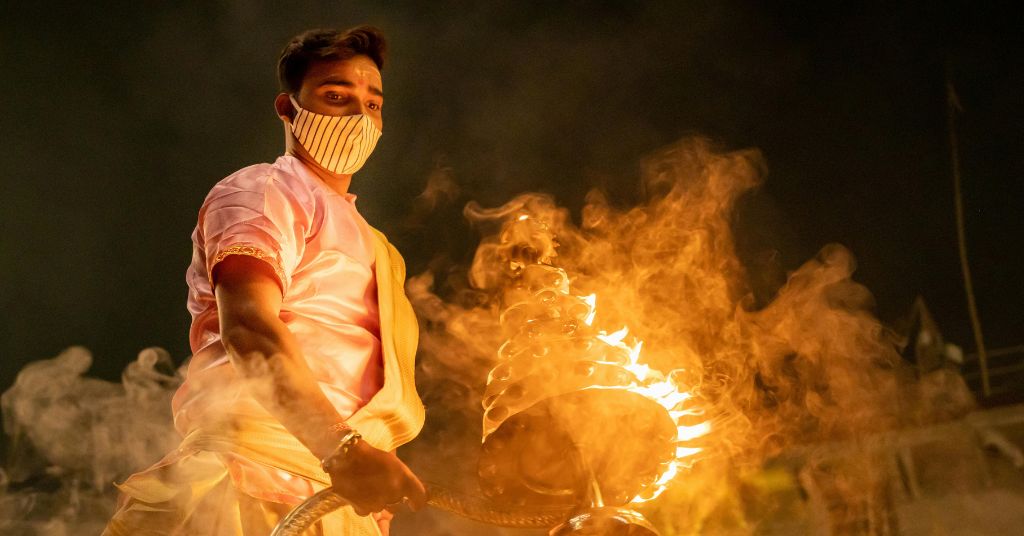
Divine Ganga Puja at Godavari Ghat in Nashik
This guide is designed to help pilgrims, tourists, and first-time visitors clearly understand where, when, and how ganga arti (Godavari Aarti) is performed during the Nashik Kumbh Mela 2027, including exact locations, timings, rituals, and visitor guidelines at Ramkund and other Godavari ghats in Nashik, Maharashtra.
The Nashik Simhastha Kumbh Mela in 2027 is not only a festival but an astronomical phenomenon that occurs when Jupiter enters the Zodiac sign of Leo. Millions of devotees visit the banks of the Godavari River to take the holy dip known as Shahi Snan. It is believed that this sacred ritual helps wash away their sins. During Kumbh Mela, Indian heritage is portrayed by the sound of mantras chanted, the fragrance of sandalwood and dhoop, and by the lamps floating on the river known as Deep Daan. Various saints, sadhus, and a large number of devotees from different backgrounds come together and witness this beautiful experience.
Nashik Kumbh Mela 2027 will be held primarily along the Godavari River in Nashik city, Maharashtra, making Ramkund Ghat the central location for Shahi Snan, Ganga Puja, and evening Godavari Aarti.
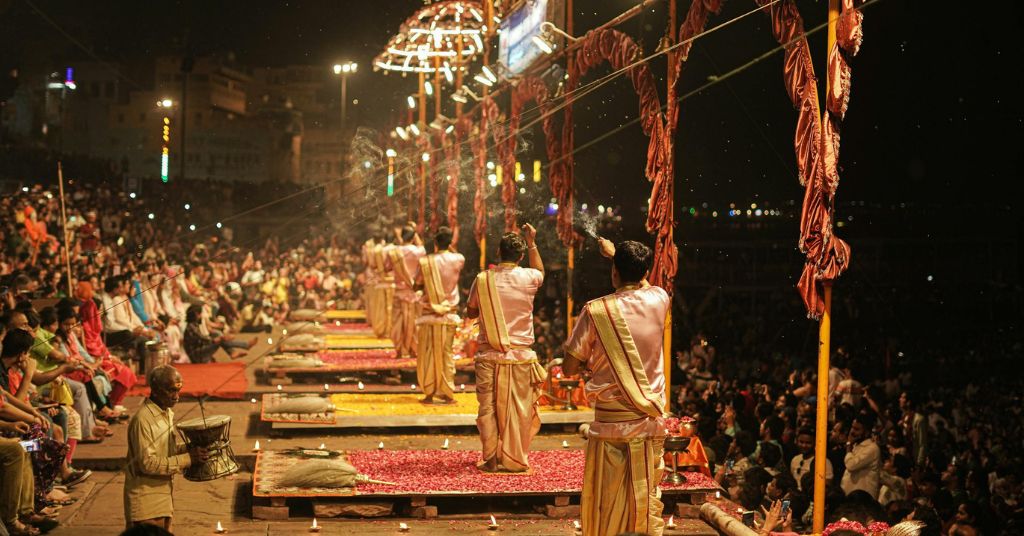
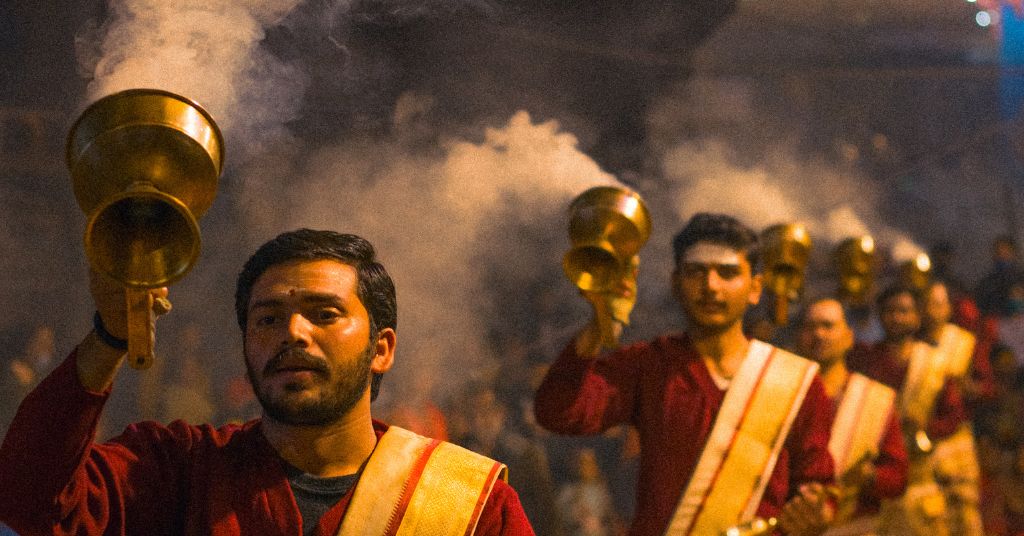
In the evening, Godavari Aarti is held, which gives devotees an enchanting experience. As the sun sets, the banks of the Godavari River offer a breathtaking view. The Godavari Aarti is also known as Goda Aarti. This pious aarti, when performed at Kumbh, becomes Maha Aarti as a large number of priests and saints participate in it.
So, if you are planning a visit to Nashik, here is a complete guide for you to understand the significance, mythological association, rituals, timings, and impact of Ganga puja at Nashik during Nashik Maha Kumbh 2027.
Dakshin Ganga: The Godavari River
The Godavari River is not just a river but the soul of spirituality. It is the second-longest river of India and holds a great spiritual significance in Hinduism. Due to its sanctity and spiritual association, Godavari is also known as Dakshin Ganga (the Ganga of the South). It is said that the river originates from the Brahmagiri hills in Trimbakeshwar and is widely visited by millions of devotees every year.
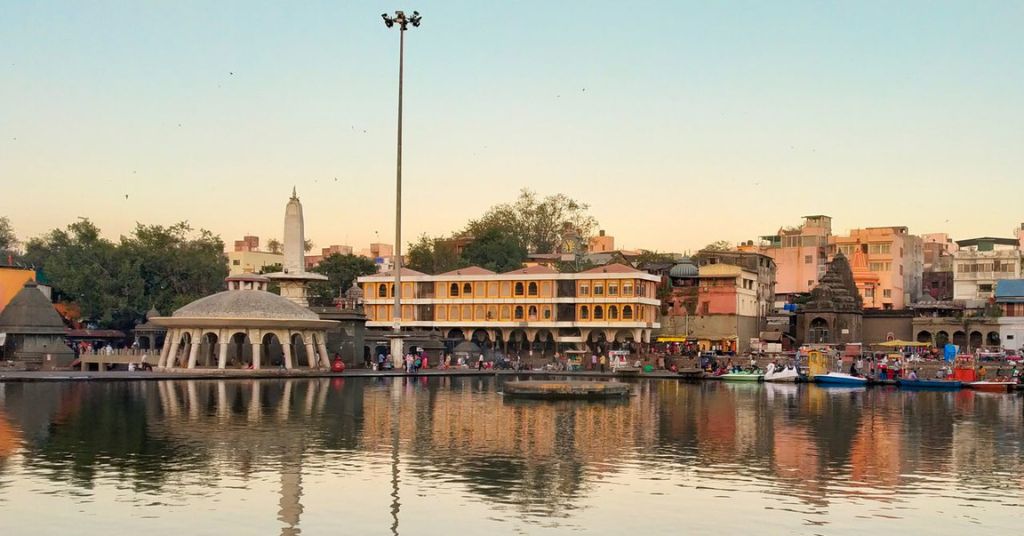
For pilgrims searching “Dakshin Ganga meaning” or “Godavari River spiritual significance,” Godavari is revered as equal to the River Ganga and holds the same religious merit during Kumbh Mela rituals.
According to Hindu scriptures, taking a dip in the Godavari can help wash away all the sins and provide freedom from the cycle of rebirth. Due to its linkage with Hindu mythology and scriptures, the Godavari River is considered pious and prominent. Additionally, the banks of the river Godavari are surrounded by ghats where morning prayers, evening aartis, and holy baths take place. And now, during the Nashik Kumbh Mela 2027, millions of devotees will gather at the Godavari riverbanks to take the holy dip.
Historical Significance of Godavari Aarti in Nashik
According to the Brahmanda Purana, the region of Nashik suffered from an acute drought due to the false allegations that Sage Gautama killed a cow. So, to make himself unblemished and to bring water to the arid region, Gautama performed the intense worship of Lord Shiva with complete devotion. Pleased by his worship, Lord Shiva released a stream of Ganga through his hair strands to the Deccan plateau, which formed the Godavari.
Many devotees visit Nashik specifically to understand why Godavari Aarti is important during Kumbh Mela, as its mythological origins connect Lord Shiva, Sage Gautama, and the descent of the sacred Ganga.
From the perspective of mythology, Godavari is also linked to Samudra Manthan. It is said that the nectar of immortality, called amrit, fell at four different places, including Prayagraj, Haridwar, Ujjain, and Nashik, due to the war between the gods and demons. Because of these divine associations, the Godavari aarti is performed to thank the river for carrying nectar that offers liberation to humanity and offers ancestral peace.
The ritual of assurance and illumination: Aarti
Aarti, the name comes from the Sanskrit word A-rati, meaning one who removes darkness. Aarti is formed by weaving the lamps, which represent the elimination of ignorance from the pilgrimage soul. In Aarti, by chanting different mantras and lighting the divine fire, an aura is created around the major locations and ghats of nashik that protects against negativity. The Ganga poojan vidhi is performed daily by professional priests under the guidance of the Ganga Godavari Panchkoti Purohit Sangh. They follow strict Vedic traditions and chant the Ganga puja mantra to ensure that the aarti is performed with utmost perfection.
Visitors often ask what happens during Ganga Puja at Nashik, and the ritual sequence of lamps, mantras, and offerings remains consistent across all major Godavari ghats.
Godavari Aarti, also known as Goda Aarti, is one of the most uplifting experiences in Maharashtra. It is a beautiful ritual that every pilgrim and spiritual traveller must witness at least once in their lifetime. During the Dakshin Ganga puja, the banks of the Godavari River glow with the reflection of lamps, while the sound of bells, conch shells, and Vedic chants creates an atmosphere of spirituality.
Ganga Aarti Nashik Timings
Nashik Ganga Aarti is an indispensable part of worship and rituals performed in Nashik. The Nashik Ganga Arti time in the evening takes place after sunset, typically between 6:30 PM and 7:00 PM, attracting devotees every day. On auspicious days, Brahmamuhurta Aarti holds great importance, and it takes place at around 4:00 AM. However, timings may vary slightly during festivals and Kumbh days. During the Nashik Kumbh Mela 2027, the Ganga puja will also be performed in the early morning hours at 4:00 AM on the days of Shahi Snan.
These Godavari Aarti timings are especially useful for pilgrims searching online for “Nashik ganga arti time during Kumbh Mela 2027” or “Godavari Aarti Ramkund timing.”
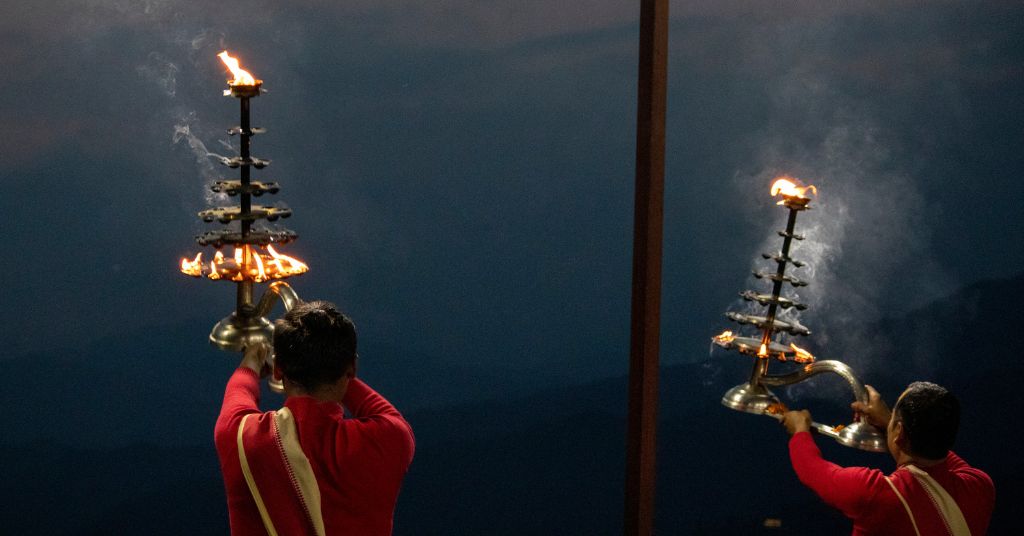
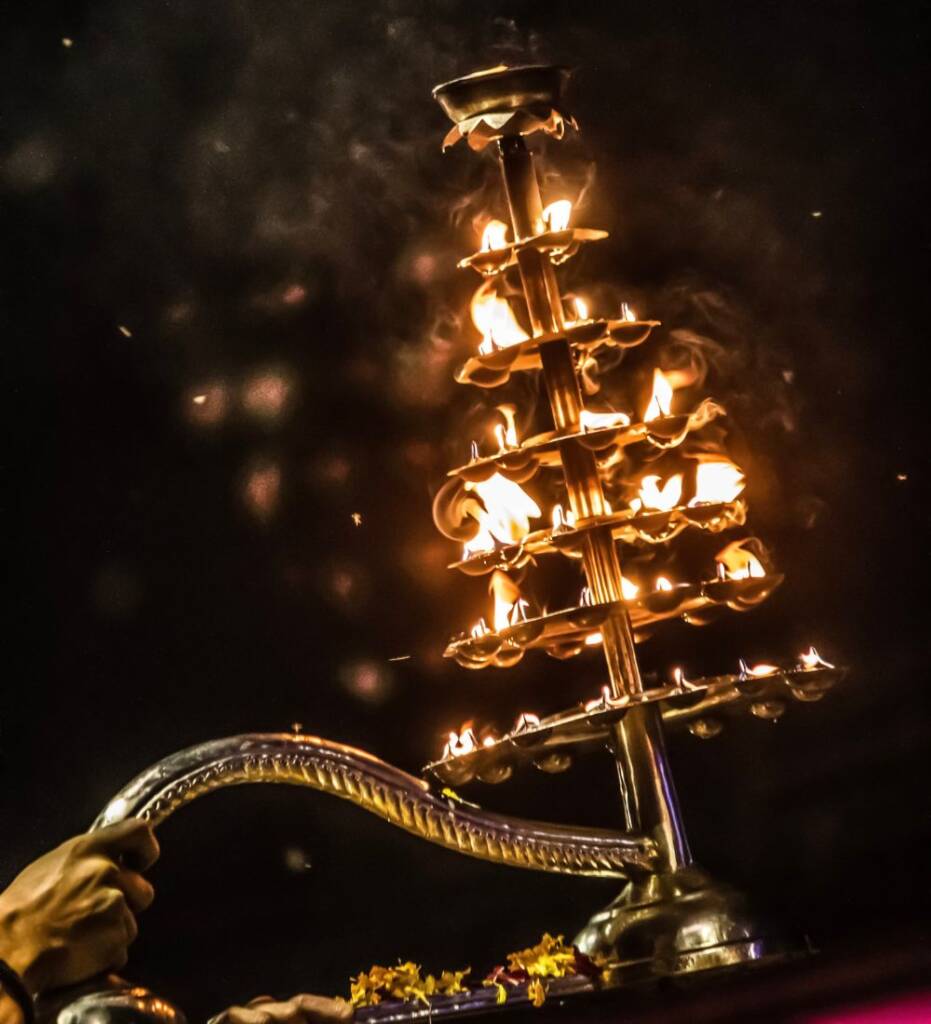
A deeply symbolic sequence is followed while performing the Godavari Aarti, and it remains the same throughout the year. The ceremony is inaugurated with the sound of shankh Naad, which symbolises the arrival of god and the departure of demons. After this, the Vedic mantras are chanted by the priests, which makes the devotees’ minds and souls feel calm. Moving forward, large multi-tiered brass lamps are lit by using ghee. The lamps are lifted and waved in a circular motion by the priests, and aarti is sung.
This step-by-step ritual process helps first-time visitors understand how Godavari Aarti is performed and what each ceremonial action symbolises during Kumbh Mela.
Then, the divine water of the Godavari river is sprinkled on the devotees, which is regarded as Marjan. This ritual is performed by the priest as it is believed to purify the souls and minds of devotees. At last, the camphor is burned to signify that just like the camphor leaves no residue, similarly, the human ego is dissolved completely in the divine, leaving no trace.
Nashik Godavari Aarti is the soul of the entire festival of Kumbh Mela, where one can witness the breathtaking view due to the reflection of hundreds of lamps in the water. Furthermore, Kumbh Mela is a festival that comes after every 12 years, when Jupiter enters the Zodiac sign Leo, which enhances the spiritual energy.
Many spiritual travellers describe the Godavari Aarti experience at Nashik Kumbh Mela as deeply calming, emotionally uplifting, and spiritually transformative.
During the time of aarti, devotees make a silent wish. Hearing the sound of drums and bells makes the mind feel relaxed and calm. As Nashik is the place known for granting liberation, it is said that attending the aarti can bring peace to the ancestors and eliminate karmic debts. Moreover, devotees believe that attending Godavari Aarti brings positivity and blessings for the family. It also provides relief from emotional burdens, promoting clarity of thought.
Planning tips for attending the Nashik Kumbh Mela 2027
During the Nashik Kumbh Mela, the crowd will be massive, as thousands of saints, Naga Sadhus, and Akharas will arrive there. So, it is advised to arrive early, at least 45 minutes before the start of the rituals. This way, devotees can easily sit on the steps of the ghats and meditate. Talking about the dressing code, traditional wear is encouraged, like Dhoti, Saree, or Kurta.
These practical tips are especially helpful for people planning their first visit to Nashik Kumbh Mela 2027 and searching for crowd management and ritual guidance.
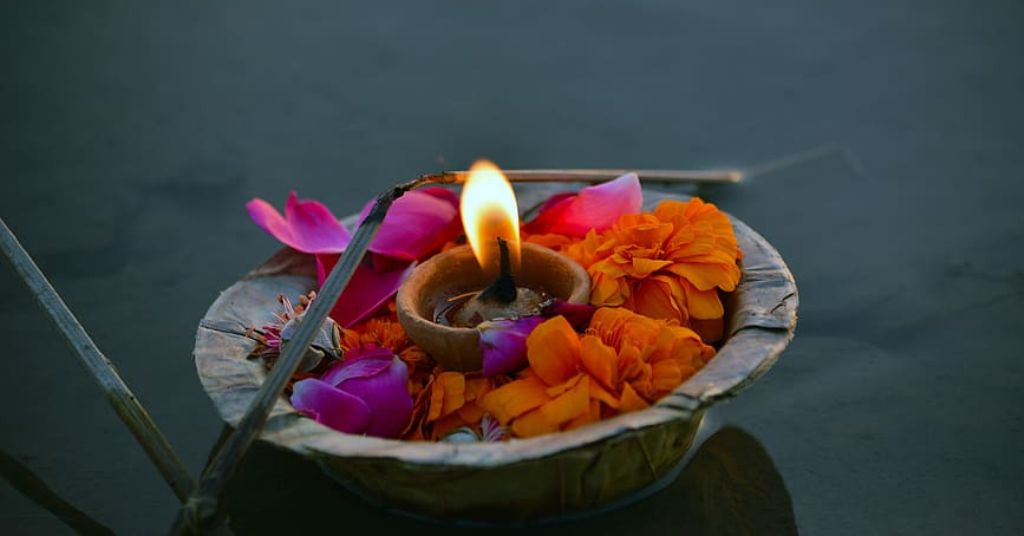
After the main Godavari Aarti, devotees can buy a small leaf-plate with some flowers and a lamp from local vendors and can offer it to the river along with prayers. Apart from the rituals, staying hydrated is a must as the humidity near the river is high.
That said, the Godavari aarti at Ramkund during the Kumbh Mela not only offers a pleasing experience but also brings peace to people’s minds and bodies, making devotees feel relaxed and calm. Whether you are a pilgrim, a traveller, or a seeker, attending the Godavari Aarti at Ramkund will help you seek liberation and peace and explore India’s spiritual heritage. The aarti offers an unforgettable experience of devotion and light, eliminating negativity.
Frequently Asked Questions (FAQs)
How can I watch Godavari aarti in the crowd while attending the Nashik Kumbh Mela 2027?
Godavari Aarti Nashik location is primarily the Ramkund ghat. However, devotees who are far away from Ramkund can participate in Aarti by watching it on the screen placed 5 km from the Godavari river.
What are the benefits of attending Godavari Aarti at Kumbh Mela in Nashik?
Attending Godavari Aarti brings positivity and blessings for the family of the devotees and offers mental peace and inner stillness. It also provides relief from emotional burdens, promoting clarity of thought.
Can tourists and first-time visitors perform Ganga Puja at Nashik?
Yes, anyone can perform Ganga Puja at Nashik, including tourists and first-time visitors. You just need to know the Nashik Godavari Aarti timing, as the ritual does not require prior religious knowledge. Moreover, you can seek guidance from the priests who are available at major ghats throughout the process.
What should I avoid doing during Ganga Poojan at Nashik Kumbh Mela 2027?
During Ganga Poojan at Nashik Kumbh Mela 2027, you should avoid throwing plastic, synthetic flowers, or non-biodegradable items into the river. You should not enter restricted ritual zones or disrupt others’ prayers during aarti. In this way, your respectful behaviour will enhance the spiritual atmosphere.
Do I need to follow a dress code for Ganga Poojan during Kumbh Mela in Nashik?
There is no strict dress code for Ganga Poojan during Kumbh Mela in Nashik, but you should wear modest and respectful clothing. Traditional Indian attire like saree, dhoti, and kurta are ideal, especially for rituals near the river.